
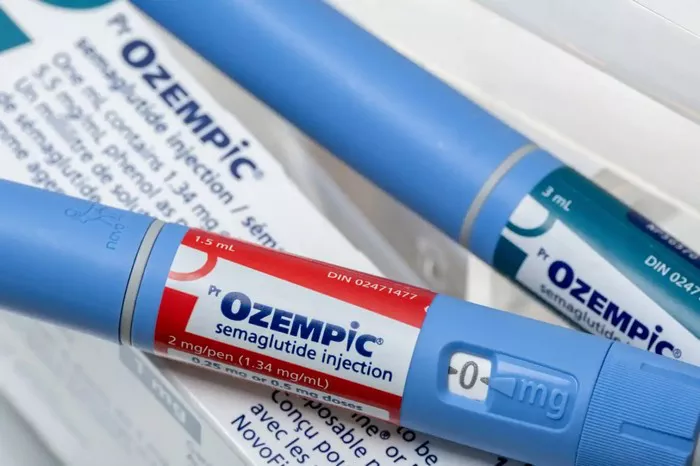
What was once a niche injectable for weight management has now become a pop culture phenomenon. Ozempic, the GLP-1 medication often associated with rapid weight loss, is discussed as casually as the latest tech gadgets or sneaker releases. However, its dominance in the weight loss market may be facing its first major challenge.
A new generation of GLP-1 therapies is expanding beyond weekly injections. These treatments include oral pills, monthly injections, and even experimental gene therapies aimed at helping people with obesity or poorly managed type 2 diabetes. While some remain in early research stages, the competition in weight loss therapeutics is heating up.
Oral Options Threaten the Injection Monopoly
Eli Lilly’s orforglipron is a potential game-changer. Currently in Phase III clinical trials, this once-daily oral medication provides GLP-1–style appetite suppression, showing significant weight loss compared to placebo, with side effects similar to existing drugs in the class. For patients, the convenience of skipping injections and refrigeration could broaden the market to those hesitant about injectable treatments.
Combination and Multi-Target Therapies on the Horizon
Novo Nordisk is developing CagriSema, a combination of semaglutide and cagrilintide, a hormone-mimicking compound designed to enhance weight loss. Late-stage trials indicate participants lost approximately 23% of their body weight.
Other biotech firms are also making strides. Viking Therapeutics is testing VK2735, a dual GLP-1/GIP drug available as both an injection and a potential oral formulation. Amgen’s MariTide aims to reduce injection frequency, offering once-monthly dosing rather than weekly.
Eli Lilly’s retatrutide may be the most ambitious therapy yet, targeting three hormonal pathways simultaneously. Trial participants have lost nearly 30% of their body weight—results approaching those seen with surgical weight loss procedures.
Looking Toward Sci-Fi Solutions
Beyond conventional drugs, some researchers are exploring experimental gene therapies. Rejuva, still in early development, aims to boost the body’s natural GLP-1 production with a single dose. Animal studies suggest long-lasting effects, potentially redefining obesity treatment.
The Future of Weight Loss Therapy
Ozempic may have brought GLP-1 injectables into mainstream awareness, but with a wave of oral, monthly, and gene-based therapies on the horizon, its status as the undisputed leader in weight management is being challenged.
GLP-1 Options Currently Available
For patients interested in GLP-1 therapy, several prescription options exist today. Always consult a healthcare professional to determine suitability and ensure safe use.
