
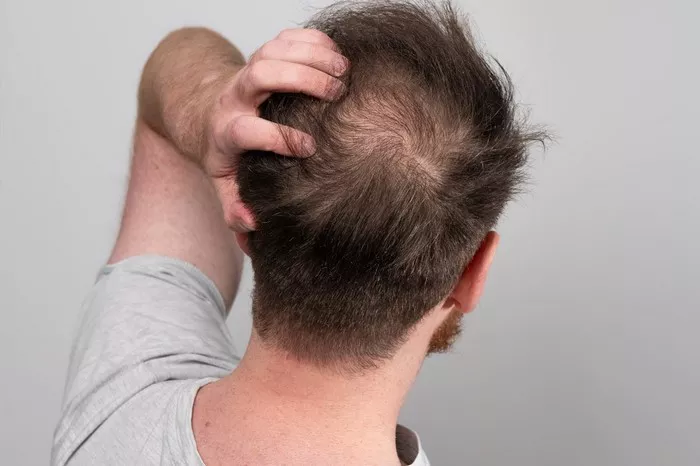
A single intense episode of stress may be enough to set off recurring hair loss, according to new research from Harvard University that sheds light on how acute stress can cause lasting damage to the body.
The study, published in the journal Cell, found that when hair follicles are damaged during a stressful event, the immune system becomes primed to attack additional follicles during future episodes of similar stress or inflammation. This mechanism, observed in mice, suggests that even a one-time stress experience can have long-term consequences for tissue health.
Scientists have long known that stress affects overall health and immune function, but the precise ways in which a single stressful incident can cause lasting harm to specific tissues have remained unclear. In particular, it has been uncertain whether acute stress could leave behind a biological “memory” that makes tissues more vulnerable in the future.
The new research provides evidence that it can. According to the Harvard team, strong acute stress hyperactivates the sympathetic nervous system in mice—the system responsible for the body’s “fight-or-flight” response, including increased heart rate and muscle strength. This surge in activity, in turn, activates CD8+ T cells, a type of immune cell capable of attacking hair follicles.
While the initial stress response eventually subsides, the researchers found that these activated T cells persist. When the body later experiences inflammation or a similar stress trigger, the primed immune cells can drive recurrent hair loss.
“Our findings show that a single acute stress episode causes immediate damage and, in doing so, activates and expands rare autoreactive CD8+ T cells, priming the tissue for future immune attack,” the researchers wrote. “Thus, a single acute stress episode can cause immediate harm and, in doing so, predispose the same tissue for future damage.”
The team also proposed an evolutionary explanation for this response. They suggest that under extreme stress, the body may sacrifice metabolically costly but replaceable cells—such as hair follicles—in order to preserve essential stem cells needed to regenerate tissue once the threat has passed. This trade-off could represent a “strategic compromise to conserve limited resources for critical stress responses.”
In their conclusion, the scientists noted that the findings may help explain the onset of alopecia areata, a condition characterized by patchy hair loss that is frequently linked to stress. They added that similar immune mechanisms could also play a role in other complex autoimmune diseases, including multiple sclerosis, type 1 diabetes, and lupus.
The researchers say further studies on stress-induced hair loss in human tissues will be needed to confirm whether the same biological processes occur in people. If so, the work could open new avenues for understanding—and potentially preventing—stress-related hair loss and other immune-driven conditions.
