
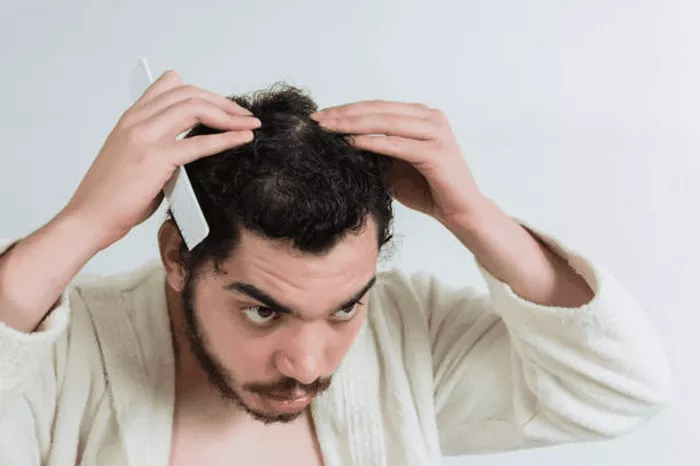
A recent study published in the Archives of Dermatological Research highlights a concerning connection between severe COVID-19 infections and telogen effluvium, a form of hair loss triggered by significant physiological stress. Conducted by dermatologists S. Patel and M. Colavincenzo, the research underscores the need for increased awareness of post-COVID hair loss among healthcare providers and patients.
Telogen effluvium occurs when a stressor forces a large number of hair follicles into the telogen, or resting phase, typically lasting two to three months before shedding begins. While often temporary, this condition can be triggered by physical, emotional, or environmental stressors, with severe illnesses—including COVID-19—showing a marked correlation with increased cases.
The study, a retrospective cohort analysis, reviewed patient records from multiple healthcare facilities, isolating cases in which hair loss appeared following severe COVID-19 infections. By comparing these patients to a control group with mild COVID-19 symptoms, researchers identified distinct patterns and statistically significant trends, providing new insight into the physiological mechanisms behind post-viral hair loss.
“Hair loss has often been dismissed as a minor symptom amidst life-threatening COVID-19 complications,” Patel and Colavincenzo note. “Our findings show that for many patients, hair shedding begins within weeks of hospitalization, highlighting the need for proactive management.”
The researchers propose several factors contributing to post-COVID hair loss. The immune system’s hyperactive response to severe viral infection, including cytokine storms, may disrupt the hair growth cycle and accelerate follicle exhaustion. Psychological stress from severe illness may further exacerbate hair loss, emphasizing the importance of addressing both mental and physical health during recovery.
Preliminary data also suggest disparities in susceptibility based on gender, age, and potentially ethnicity, pointing to the need for personalized treatment strategies and further study of sociocultural influences on post-COVID outcomes.
The study advocates for healthcare providers to include hair loss in post-COVID care protocols and for educational initiatives to raise awareness among patients and clinicians. Early interventions—ranging from topical treatments to dietary adjustments—may reduce hair loss severity, while ongoing research, including randomized controlled trials, could inform more nuanced clinical guidance.
As the world continues to confront the long-term impacts of COVID-19, understanding secondary complications like telogen effluvium is critical. Beyond the physical effects, hair loss carries substantial psychological implications, underscoring the necessity of comprehensive care strategies for recovering patients.
Patel and Colavincenzo’s work highlights a broader paradigm shift in how the medical community perceives viral infections, revealing the complex interplay between immune responses, psychological stress, and overall health. Their research provides both empirical evidence and practical guidance, reminding clinicians that even seemingly minor symptoms can have far-reaching effects on patient well-being.
In conclusion, the study serves as a wake-up call: post-COVID hair loss is not merely cosmetic—it is a genuine health concern requiring attention, proactive management, and compassionate care. As the pandemic’s legacy unfolds, addressing multifaceted health issues, including telogen effluvium, must remain a priority for healthcare systems worldwide.
