
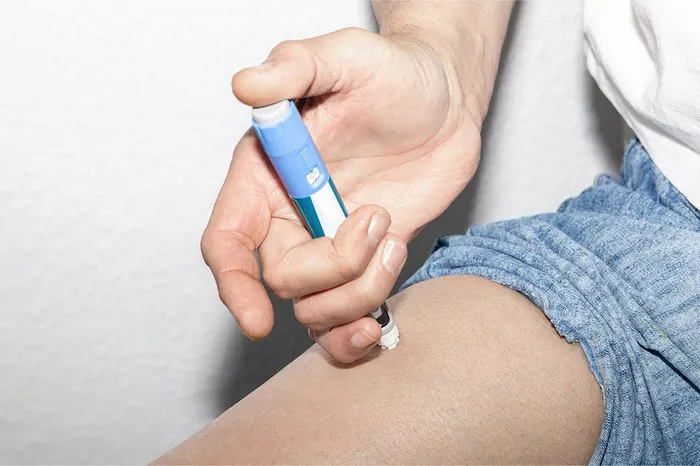
Tens of thousands of people in Ireland using popular weight-loss injections such as Ozempic, Wegovy and Mounjaro may need to remain on the drugs indefinitely to maintain their results, according to experts citing new research.
A major review led by Oxford University has found that most people who stop taking the injections regain weight rapidly, often within two years — significantly faster than those who lose weight through diet and exercise alone. The phenomenon has been labelled “Ozempic rebound”.
The analysis, published in the British Medical Journal, examined 37 clinical studies involving more than 9,300 participants. Researchers found that once treatment ended, users regained an average of about 0.4kg (one pound) per month, with many projected to return to their pre-treatment weight within 17 to 20 months.
Professor Donal O’Shea, the HSE’s national clinical lead for obesity, said the findings were consistent with earlier evidence. He compared obesity treatment to other chronic conditions such as high blood pressure or high cholesterol, where stopping medication leads to the return of symptoms.
“It’s no surprise that if you stop treatment for a chronic disease, the effect of that treatment will stop,” he said, adding that the speed of weight regain may reflect the substantial weight loss achieved on the drugs.
Obesity remains a major public health challenge in Ireland. According to the HSE, 37% of adults are overweight and a further 23% are obese. While precise figures on the use of weight-loss injections are unclear — as many people access them privately — more than 35,000 patients were prescribed Ozempic for diabetes in early 2025 alone, costing the State over €11 million in a single quarter.
Authorities have also raised concerns about an expanding black market. The Health Products Regulatory Authority said it seized more than 11,000 unapproved doses of weight-loss injections in the 11 months to November last year.
An application to make Mounjaro available to public patients for obesity was submitted late last year, but Prof O’Shea said the drug was currently deemed too expensive. He noted that generic versions could become available within a few years, potentially making long-term treatment more affordable. He also argued that early, aggressive intervention could ultimately save the health service millions by reducing rates of diabetes, heart disease, stroke and cancer.
The study’s co-author, Professor Susan Jebb — a leading obesity researcher and adviser to the UK government and NHS — said obesity should be treated as a chronic, relapsing condition. She suggested that many patients may require lifelong support, whether through medication, behavioural interventions or a combination of both.
“We should see this as a chronic treatment for a chronic condition,” she said, likening weight-loss injections to long-term blood pressure medication.
Beyond weight regain, researchers warned that stopping the drugs was also associated with the loss of key cardiometabolic benefits. Improvements in blood sugar control, blood pressure and cholesterol levels typically faded within 18 months of discontinuation.
The review found that people using GLP-1 injections lost an average of nearly 15kg over nine to 12 months, but regained weight about four times faster than those who slimmed down through lifestyle changes alone. By contrast, participants in diet and exercise programmes lost less weight — around 5kg over a year — but regained it much more slowly, with health benefits persisting for up to five years.
Dr Adam Collins, an associate professor of nutrition who was not involved in the research, said the drugs suppress appetite by mimicking hormones released after eating. Once that hormonal effect is removed, rebound hunger can occur.
“If people haven’t built sustainable habits alongside treatment, going cold turkey can be extremely difficult,” he said, warning that some individuals may regain even more weight than they initially lost.
Professor John Wilding, an honorary consultant physician at the University of Liverpool, said the findings were expected. “We don’t expect treatments for diabetes, high blood pressure or high cholesterol to keep working once medication is withdrawn,” he said. “There’s no scientific reason obesity should be any different.”
With many patients paying up to €345 a month for private prescriptions, the study has intensified debate over the long-term affordability — and necessity — of weight-loss injections as Ireland grapples with rising obesity rates.
