
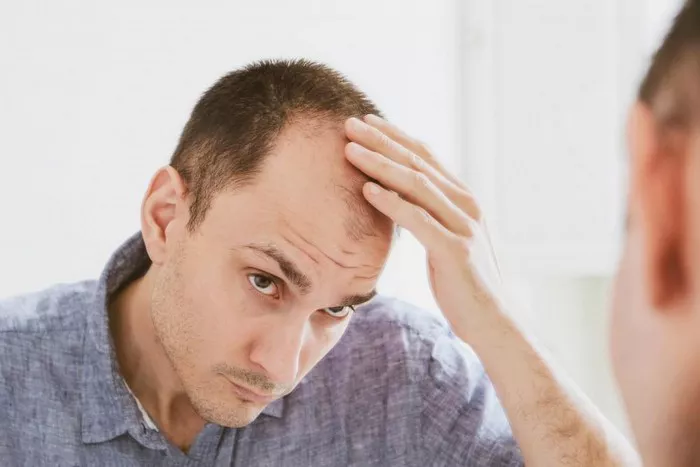
Noticing strands on your pillow, in the bathroom, or caught in your comb can be unsettling. Hair loss ranks among the most common concerns dermatologists encounter—and for good reason. Yet, shedding hair is not always a sign of a problem. In many cases, it reflects a healthy hair growth cycle at work.
“Hair loss often alarms people unnecessarily,” says Dr. Gaurav Garg, Consultant Dermatologist and Founder of Dermalife Skin and Hair Clinic. “Some hair fall is not only normal but essential for new, healthy growth.”
The Hair Growth Cycle Explained
Every hair on the scalp follows a natural, repeating cycle, consisting of three distinct stages:
- Anagen (growth phase): The active stage of hair growth, lasting between two and seven years. Approximately 85–90% of scalp hair is in this phase at any given time.
- Catagen (transition phase): A brief two- to three-week period when growth slows and the hair follicle begins to shrink.
- Telogen (resting and shedding phase): Lasting around three months, this stage allows hair to rest before shedding naturally, making room for new growth. Losing 50 to 100 hairs per day falls within the normal range, as what appears to be hair loss on the surface often signals renewal happening beneath.
Seasonal Shedding and Hormonal Shifts
Hair fall can fluctuate with seasonal changes, particularly in autumn and spring. Factors such as variations in daylight, temperature, and environmental stress can temporarily increase shedding. Hormonal shifts—including pregnancy, postpartum changes, menopause, and thyroid disorders—may also push more hairs into the resting phase at once. The reassuring news: hair usually regrows once hormone levels stabilize.
Stress, Lifestyle, and Nutrition
Physical or emotional stress can disrupt the hair cycle, a condition known as telogen effluvium. Illness, surgery, trauma, or chronic anxiety may trigger increased hair shedding months after the event.
Nutritional deficiencies can also play a significant role. Low levels of iron, vitamin D, or protein may hinder the renewal process. Focusing on a balanced diet rich in nutrients is generally more effective for healthy hair than relying solely on supplements.
When to Seek Medical Advice
Persistent or pattern-based hair loss warrants professional attention. Signs such as patchy bald spots, widening partings, thinning ponytails, scalp inflammation, or lack of new growth may indicate underlying medical issues.
“If hair loss is accompanied by fatigue, weight changes, or skin problems, it may point to an undiagnosed condition,” Dr. Garg notes. Early evaluation helps identify the cause and improves treatment outcomes.
Supporting Healthy Hair Habits
Gentle hair care can make a difference. Choose products suited to your scalp type, limit the use of heat styling tools, and avoid excessive chemical treatments. Stress management through exercise, meditation, or therapy can promote healthy follicles. Regular scalp massages may enhance blood flow, supporting stronger roots and healthier hair growth patterns.
