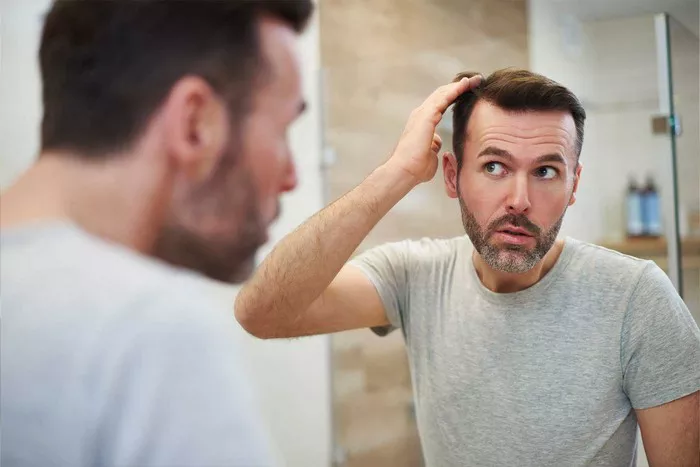
Experiencing hair loss in your mid-20s can feel both surprising and frustrating. Many women expect to flaunt thick, healthy hair during this phase of life, but a growing number face significant hair shedding. While some hair loss is normal, excessive loss in your 20s warrants attention. Understanding the causes can help you take proactive steps and consult the right specialists.
Alopecia Areata
Alopecia areata is an autoimmune condition in which the body’s white blood cells mistakenly attack hair follicles, leading to patchy hair loss. It can affect not just the scalp, but also the beard, eyebrows, armpits, and chest. This condition impacts at least 2% of the population and is most commonly seen in individuals in their 20s and 30s.
Telogen Effluvium
Telogen effluvium is a temporary form of hair shedding that exceeds the typical 50–100 hairs lost daily. It causes diffuse hair thinning across the scalp and can be triggered by illness, injury, hormonal changes, or significant stress. In most cases, hair regrowth occurs within 3–6 months once the underlying trigger is addressed. Persistent shedding beyond six months should prompt a consultation with a hair loss specialist.
Stress-Induced Hair Loss
Chronic stress is another recognized contributor to hair loss in young women. Academic pressure, career demands, and personal challenges can elevate stress levels, leading to stress-induced shedding. While high stress may worsen female pattern hair loss, it is usually not the primary cause. Managing stress through lifestyle adjustments and professional support can help reduce hair fall.
Hormonal Changes
Fluctuations in hormone levels can also lead to hair loss in women under 30. Factors include the use of birth control pills, pregnancy, or health conditions such as polycystic ovary syndrome (PCOS) and endometriosis. These hormonal shifts can trigger telogen effluvium, accelerating hair shedding. If you suspect hormones are affecting your hair, consulting a healthcare professional is essential.
Ultimately, hair loss in your 20s is often a sign to pay attention to your overall health. Early intervention and guidance from a female hair loss specialist can help prevent further thinning and promote regrowth.