
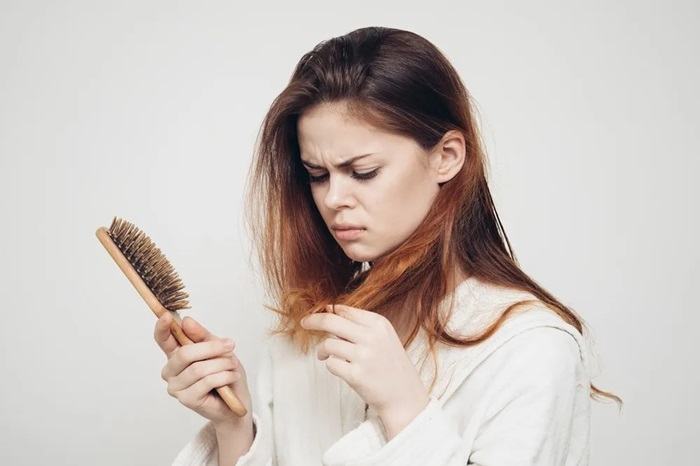
For many new mothers, the sight of handfuls of hair falling out can be alarming. Yet postpartum hair loss is far from unusual—over 90% of women experience it, according to the National Institutes of Health (NIH). Experts emphasize that this shedding is temporary and a normal part of the body’s recovery after pregnancy.
“Postpartum shedding is a natural reset of the hair cycle,” says Dr. Kim Nichols, a board-certified dermatologist in Greenwich, Connecticut. “It’s not a sign of permanent damage—it’s simply your body readjusting after pregnancy.”
Why Hair Falls Out After Pregnancy
During pregnancy, elevated estrogen levels prolong the hair growth phase, creating thicker, fuller hair. After delivery, estrogen levels drop, triggering the hairs “stalled” in growth to enter the shedding phase simultaneously. Nichols explains, “Estrogen acts like a protective umbrella over the hair cycle during pregnancy. Once that protective effect ends, the hairs held in growth are released together, peaking around three to four months postpartum.”
This type of shedding is medically classified as telogen effluvium (TE), a temporary hair loss triggered by major physiological or emotional stress. “In the postpartum setting, the sudden hormonal shift is the primary trigger,” says Dr. Chesahna Kindred, a dermatologist and hair-loss specialist in Marriottsville, Maryland.
Genetics, nutritional deficiencies (like low iron or vitamin D), stress, sleep deprivation, and harsh hair practices such as tight hairstyles or frequent heat styling can worsen the shedding. Dr. Nichols notes, “Most women experience a combination of genetic predisposition and postpartum physiologic stress.”
Can Postpartum Hair Loss Be Prevented?
Unfortunately, experts say there’s little that can be done to prevent the shedding itself. “It’s largely driven by biology,” says Dr. Paradi Mirmirani, a hair disorders specialist at Kaiser Permanente Northern California. Lifestyle measures, however, can support healthier hair: avoid heat and chemical treatments, minimize tight hairstyles, maintain a balanced diet with adequate protein and vitamins, and continue prenatal supplements.
Scalp health also matters. Helen Reavey, a trichologist and founder of Act+Acre, recommends nutrient-rich haircare products to strengthen follicles and improve circulation, promoting optimal growth conditions.
How to Support Hair Regrowth
While prevention may be limited, new mothers can actively support regrowth:
- Topical treatments: Minoxidil can stimulate follicle activity but should be discussed with a doctor if breastfeeding.
- In-office procedures: PRP (platelet-rich plasma), PRF (platelet-rich fibrin), and hydrodermabrasion with growth factors can promote follicle recovery and circulation.
- Supplements: Hair-targeted vitamins, such as Nutrafol Postpartum or OMI WellBeauty, provide essential nutrients for regrowth.
- Scalp care: Regular massages, scalp scrubs, and red light therapy improve blood flow and follicle health. Some experts even suggest using a mild dandruff shampoo to enhance regrowth.
- Gentle styling: Minimize breakage by avoiding harsh brushing, heat, and chemical treatments.
Dr. Nichols reassures, “Once the acute shedding phase passes, many women achieve hair that is even healthier and stronger than before pregnancy. The goal is not to fight the process but to maximize the quality of new growth so hair returns fuller, stronger, and more resilient.”
