
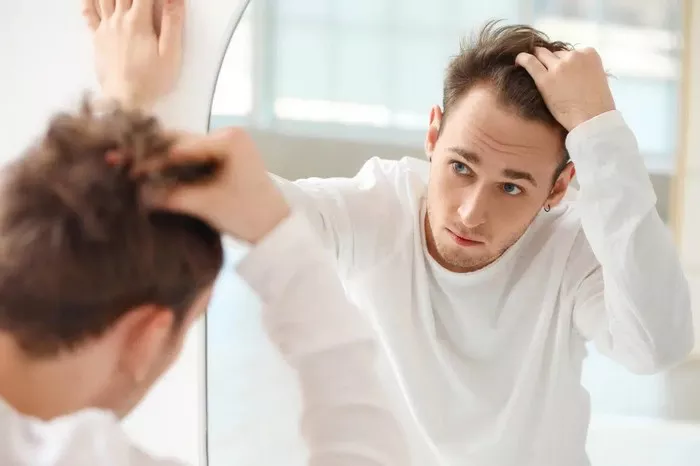
Hair fall is increasingly becoming a concern for both young and older adults. While losing 50–100 strands daily is part of the natural hair growth cycle, persistent or excessive shedding can indicate underlying health, lifestyle, or hair care issues. The good news: early intervention can often slow or even reverse hair loss.
Dr. Abhishek Pilani, Founder of Assure Clinic and a specialist in dermatology, hair transplant, and restoration, shared six practical tips to help manage hair fall without relying on quick fixes or miracle cures.
Understand Normal Hair Shedding
Hair naturally cycles through growth, rest, and shedding phases. Temporary increases in shedding—especially during seasonal changes, illness, or stress—are common. Concern arises when hair loss is prolonged, sudden, or visibly reduces hair volume or affects the hairline, signaling the need for professional intervention.
Handle Hair and Scalp Gently
Rough handling contributes significantly to hair fall. Aggressive brushing, tight hairstyles, and vigorous towel-drying can weaken hair shafts and strain roots. Wet hair is particularly fragile; detangle slowly with a wide-tooth comb and avoid tight hairstyles that may cause traction-related thinning over time.
Rethink Hair Washing Routine
Shampoo frequency should match your scalp type: oily scalps may need more frequent washing, while dry scalps benefit from fewer washes. The priority is using a mild, scalp-friendly shampoo and rinsing thoroughly. Conditioners should generally be applied to hair lengths rather than directly on the scalp unless formulated for scalp use.
Nourish Hair from Within
Hair health depends heavily on nutrition. Deficiencies in iron, protein, vitamin D, and B-complex vitamins often manifest as hair thinning. Balanced meals with adequate protein, leafy greens, nuts, seeds, fruits, and whole grains support hair growth far more effectively than unsupervised supplements.
Manage Stress Effectively
Chronic stress can push hair follicles into a shedding phase, causing noticeable hair fall weeks or months later. Improving sleep quality, exercising regularly, and practicing meditation or breathing exercises can reduce stress-related hair loss.
Be Cautious with Styling and Chemical Treatments
Excessive heat styling, chemical straightening, coloring, or rebonding can weaken hair over time. Use moderate heat, protective products, and allow periodic breaks from chemical treatments to maintain hair strength.
Additional Considerations
Scalp conditions such as dandruff, seborrheic dermatitis, fungal infections, or psoriasis can worsen hair fall if untreated. Persistent itching, flakes, redness, or scaling should prompt early treatment to create a healthy environment for hair growth.
Experts also caution against quick fixes or viral trends. While oil massages and home remedies may improve scalp comfort, they do not cure significant hair loss. Hair growth is a gradual process, and realistic expectations are crucial.
When to See a Professional
Sudden, excessive, or patchy hair loss, especially when accompanied by fatigue, weight changes, or irregular periods, requires consultation with a dermatologist. Early evaluation can help identify hormonal imbalances, nutritional deficiencies, or genetic patterns, enabling timely treatment to slow progression.
