
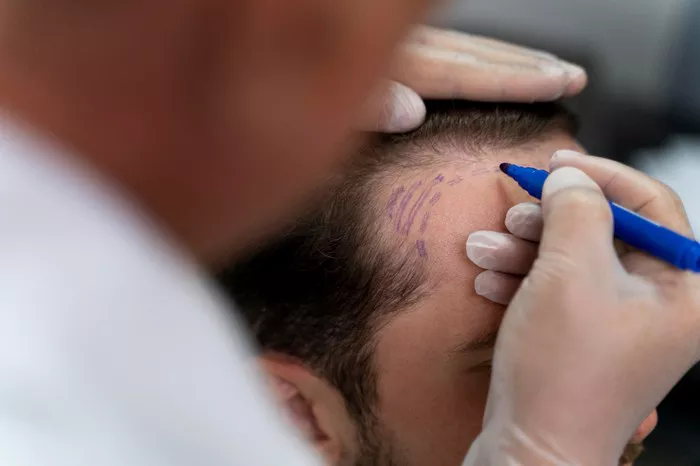
Hair transplantation has become a trusted and long-term solution for hair loss and baldness, attracting patients across all age groups and genders. As the procedure gains popularity, one common question continues to arise: Is there an ideal season for a hair transplant? While some believe summer offers better conditions and others argue in favor of winter, experts agree that the success of a hair transplant is not determined by the season itself. However, winter remains the most popular choice for many patients—and for good reasons.
Dr. Navnit Haror, an internationally recognized hair transplant surgeon and founder of Dr. Haror’s Wellness in Delhi, India, explains why winter is widely considered the most convenient and comfortable season for undergoing hair transplantation.
Faster Healing and Safer Recovery
The initial days following a hair transplant are critical, as newly implanted grafts typically require three to four days to settle securely. Cooler winter temperatures significantly reduce sweating, lowering the risk of graft displacement. Reduced perspiration also minimizes the chances of infection, allowing for smoother and quicker healing. According to Dr. Haror, a controlled post-procedure environment during winter can improve graft survival rates.
Greater Comfort During the Recovery Period
Patients are advised to avoid direct sunlight, dust, and pollution after a hair transplant. Winter’s mild weather naturally supports these precautions, making it easier for patients to limit outdoor exposure. In contrast, high summer temperatures and humidity can cause scalp irritation and discomfort. Winter conditions help keep the scalp calm, reducing post-procedure irritation and enhancing overall comfort.
Improved Graft Retention
Stable scalp temperatures during winter play a positive role in the health of newly transplanted hair follicles. Dr. Haror notes that cooler weather helps maintain balanced blood circulation, ensuring follicles receive sufficient nutrients. This environment strengthens grafts and lowers the risk of premature hair shedding.
More Discreet Recovery
For patients seeking privacy, winter offers an added advantage. With fewer social outings and more time spent indoors, the recovery process remains largely unnoticed. Additionally, winter accessories such as caps, scarves, and mufflers provide an easy way to conceal the treated area during the early healing phase.
Easier Post-Procedure Care
Aftercare guidelines following a hair transplant include avoiding harsh sunlight, excessive sweating, and environmental pollutants. Winter naturally supports these recommendations, making aftercare simpler and more effective. Staying indoors during colder months can contribute to faster recovery and improved long-term results.
Dr. Haror emphasizes that while hair transplantation can be successfully performed in any season, winter stands out as the safest and most comfortable option for many patients. He adds that selecting an experienced surgeon is just as important as choosing the right time for the procedure.
For individuals struggling with hair loss and seeking a permanent, natural-looking solution, a hair transplant remains a reliable choice. With winter offering optimal conditions for recovery and aftercare, now may be the ideal time to take the next step toward restoring both hair and confidence.
