
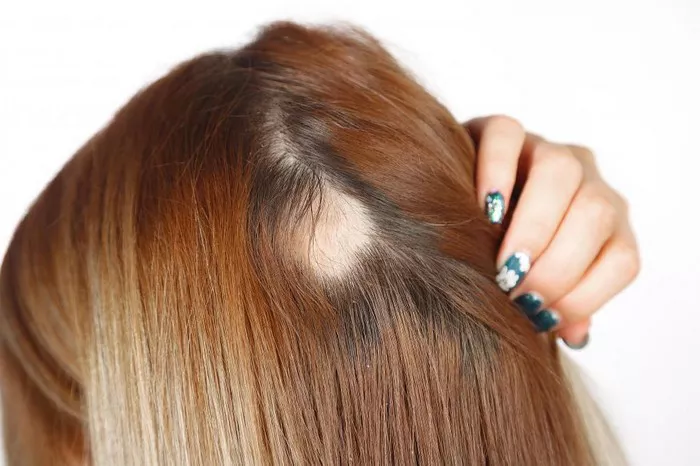
Significant racial and ethnic disparities exist in both the incidence and psychological impact of persistent chemotherapy-induced alopecia (PCIA), with Asian women bearing the greatest burden, according to new research published in JAMA.
The study, led by Juhee Cho, PhD, of the Department of Clinical Research Design and Evaluation at the Samsung Advanced Institute for Health Sciences and Technology, highlights hair loss as one of the most distressing adverse effects of chemotherapy. While chemotherapy-induced alopecia is often considered temporary, the authors emphasized that a subset of patients experiences incomplete or absent hair regrowth that can last for months or even years—a condition known as PCIA.
Previous research has offered limited insight into racial and ethnic differences in PCIA incidence. To address this gap, Cho and colleagues conducted a prospective, multinational cohort study involving women with nonmetastatic breast cancer undergoing cytotoxic chemotherapy. Using standardized scalp imaging and a validated distress scale, the researchers compared rates of PCIA and alopecia-related psychological distress among Asian, Black, Hispanic or Latino, and White women.
Study Design and Methods
The analysis drew on data from two parallel cohorts: the US-based CHANCE (Chemotherapy-Induced Hair Changes and Alopecia, Skin Aging and Nail Changes in Women With Non-Metastatic Breast Cancer) study and the CHANCE Korea cohort conducted in South Korea.
The US CHANCE study, carried out at Memorial Sloan Kettering Cancer Center, enrolled adult women with breast cancer who were planning to receive cytotoxic chemotherapy, endocrine therapy, or no adjuvant treatment. Participants were distributed across five treatment cohorts, with a target enrollment of 600 women.
The CHANCE Korea study, conducted at Samsung Medical Center, followed a similar design and enrolled patients between 2015 and 2021, with final follow-up completed in 2022. This cohort aimed to include 300 participants across chemotherapy, endocrine therapy, and no-treatment groups.
Both studies excluded patients with other causes of hair loss. The final analysis included only women without preexisting hair problems who received chemotherapy and completed 12-month follow-up assessments. Participants underwent standardized trichoscopic evaluations, and alopecia-related distress was measured at baseline and 12 months using validated questionnaires.
The primary outcome was the incidence of PCIA, defined as hair thickness or density at 12 months falling more than two standard deviations below pretreatment levels. Secondary outcomes included changes in hair shaft thickness, hair density, and psychological distress measured by the Chemotherapy-Induced Alopecia Distress Scale (CADS).
Key Findings
The final analysis included 304 women with a mean age of 50.3 years. Of these, 52.3% were Asian, 35.5% White, 6.6% Black, and 5.6% Hispanic or Latino. At baseline, Asian women had the thickest hair shafts but the lowest follicular density, a difference that was statistically significant.
At 12 months after chemotherapy, Asian women had the highest incidence of PCIA. Rates were:
- 42.1% among Asian women
- 22.2% among White women
- 10.0% among Black women
- 5.1% among Hispanic or Latino women
Asian women also experienced the greatest increase in alopecia-related psychological distress compared with White women, particularly in emotional and activity-related domains of the CADS.
“The high incidence and emotional burden observed among Asian women exemplified how biological vulnerability and cultural pressure could intersect and magnify health consequences,” the authors wrote. They concluded that effectively addressing PCIA will require an integrative, interdisciplinary approach that accounts for both biological mechanisms and the personal and cultural meaning of hair loss.
