
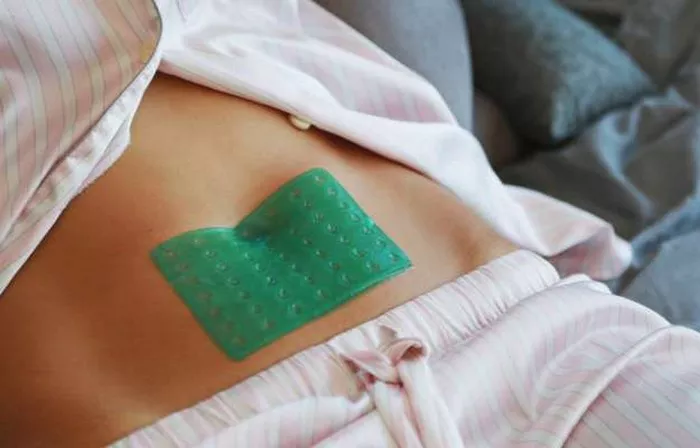
Social media is awash with weight loss tips, shortcuts, and products that promise rapid results, and weight loss patches have emerged as one of the latest viral trends. Often marketed as “GLP-1 patches,” these adhesive products claim to burn fat, boost metabolism, and target stubborn areas such as the abdomen, arms, or thighs—without pills or injections.
In theory, weight loss patches work through transdermal absorption, allowing active ingredients to pass through the skin and enter the bloodstream. Some brands suggest placing patches directly on problem areas, while others claim placement is irrelevant. These products are widely sold online via e-commerce platforms, brand websites, and nutrition stores.
Obesity medicine specialists, however, say the science does not support the marketing claims.
“A sticker that delivers fat-burning or metabolism-boosting ingredients may sound appealing, but it’s too good to be true,” said Dr. Jorge Moreno, an internal medicine physician and obesity medicine specialist at Yale Medicine. “These patches are not regulated by the FDA, so consumers have no reliable way of knowing what’s actually in them or how safe they are.”
How Weight Loss Patches Are Supposed to Work
Unlike oral supplements, weight loss patches are designed to deliver ingredients directly through the skin, bypassing the digestive system. While transdermal delivery is used for certain medications, such as nicotine or hormone therapy, experts say there is no strong evidence that this method is effective for weight loss compounds.
Most manufacturers advise wearing a patch for six to eight hours, three to four times per week. Ingredients commonly listed include plant extracts, stimulants, essential oils, and moisturizing agents.
Common Ingredients and What Research Shows
Many weight loss patches rely on ingredients that have been loosely associated with weight loss when taken orally, though results remain inconsistent:
- Berberine: Some studies suggest it may reduce body weight and BMI, particularly in individuals with metabolic risk factors, but more research is needed.
- Cinnamon extract: Research indicates modest weight loss effects when combined with dietary changes, though evidence remains limited.
- Green tea extract: May slightly reduce body fat and BMI, but has been linked to rare cases of liver injury when consumed in high doses.
- Bitter orange extract: Contains synephrine, a stimulant similar to ephedrine, with limited evidence of weight loss benefits and ongoing safety concerns.
- Garcinia cambogia: Marketed for appetite suppression, though clinical evidence supporting its effectiveness is weak.
Doctors emphasize that even if these ingredients offer minor benefits when ingested, there is little evidence they are effective when absorbed through the skin.
Do Weight Loss Patches Actually Work?
According to medical experts, the answer is no.
“There isn’t substantial research showing that the ingredients in these patches are effective for weight loss, even if they were delivered into the bloodstream,” said Dr. Charlie Seltzer, a weight loss physician and exercise physiologist based in Philadelphia. “The amounts absorbed are likely too small to have any meaningful impact.”
Dr. Moreno also noted that the idea of spot reduction—placing a patch on a specific body area to burn fat there—is a myth. “If transdermal patches were effective for weight loss, placement wouldn’t matter,” he said. “If there were solid evidence, they would already be part of obesity medicine practice.”
Potential Side Effects and Safety Concerns
Weight loss patches fall under the category of dietary supplements and are not regulated by the U.S. Food and Drug Administration. This means their safety, quality, and ingredient consistency are not guaranteed.
Possible side effects include nausea, headaches, increased heart rate, and skin irritation at the application site. Experts warn that some products labeled as “natural” may still contain stimulant-like substances that pose health risks.
“There is no scientific evidence supporting their effectiveness, and I do not recommend them,” said Dr. Dina Peralta-Reich, an obesity medicine specialist and founder of New York Weight Wellness Medicine.
The Bottom Line
Health professionals urge consumers to be cautious about weight loss patches and other quick-fix solutions. While most patches are unlikely to produce dramatic harm, they are also unlikely to produce results and may simply be a costly distraction.
Experts say sustainable weight loss is best achieved through regular physical activity, a balanced diet rich in protein and fiber, and evidence-based medical treatments when appropriate, including prescription GLP-1 medications under medical supervision.
Anyone considering weight loss products should consult a healthcare provider or registered dietitian to develop a safe and effective plan tailored to their individual needs.
