
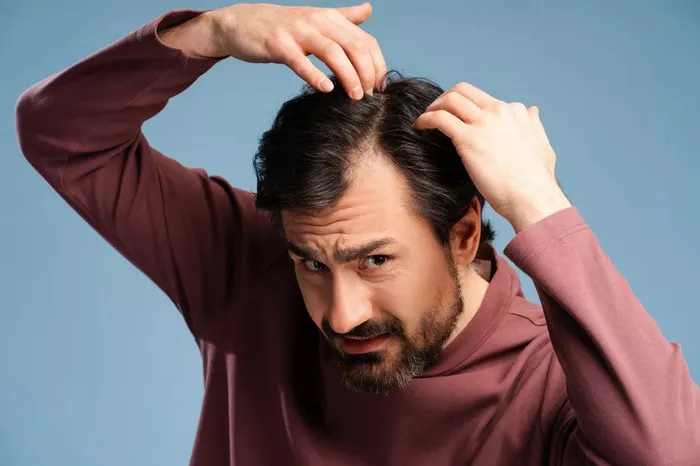
Walk through a supermarket aisle or scroll through social media and the message is impossible to miss: “anti-hair fall” shampoos, miracle oils, and serums that promise visible regrowth in weeks. For people seeing more hair on their pillow than on their scalp, these claims offer reassurance—and often, false hope.
The question dermatologists hear most frequently is a straightforward one: can shampoos, oils, and serums alone reverse hair loss? From a medical perspective, the answer in most cases of persistent or significant hair fall is no.
While topical products play a supportive role in hair care, they rarely address the underlying causes of hair loss. When shedding is driven by genetic, hormonal, nutritional, or inflammatory factors, effective treatment must work beneath the scalp’s surface. That is where clinically guided therapies such as Platelet-Rich Plasma (PRP) and exosome-based hair restoration come into focus.
The limits of cosmetic hair products
Shampoos are designed to cleanse the scalp and hair shaft. Oils help condition hair, improve shine, and reduce dryness. Serums can smooth the cuticle and temporarily enhance texture. Collectively, these products can:
- Improve the look and feel of hair
- Support scalp hygiene
Complement a regular hair-care routine
What they cannot reliably do—especially in moderate to advanced hair loss—is reverse the biological processes responsible for thinning. Cosmetic products cannot switch off genetic or hormonal triggers, revive severely miniaturised follicles, or significantly restore hair density once follicle damage has progressed. Treating a medical condition with cosmetic solutions often delays proper care and leads to frustration.
Why hair loss needs medical evaluation
Persistent hair fall is often a sign of an underlying health issue rather than a standalone cosmetic concern. Common clinical causes include androgenetic alopecia in men and women, hormonal changes after pregnancy, nutritional deficiencies such as low iron or vitamin D, stress-related or post-illness shedding, and autoimmune or inflammatory scalp disorders.
A dermatologist’s assessment typically includes an evaluation of scalp health, hair density, family history, lifestyle factors, and, when necessary, blood tests. Once the cause is identified, treatment can be tailored to address the problem at its source rather than masking its effects.
PRP: Harnessing the body’s own healing response
Platelet-Rich Plasma therapy is among the most established regenerative treatments used in hair restoration. The process involves drawing a small amount of the patient’s blood, concentrating platelets and growth factors through centrifugation, and injecting the plasma into targeted areas of the scalp.
These growth factors help improve blood flow to hair follicles, prolong the growth phase of the hair cycle, and strengthen thinning strands. PRP does not create new hair follicles, but it can improve the performance and longevity of existing ones, particularly in early to moderate pattern hair loss, postpartum thinning, and diffuse shedding.
Exosomes: A new frontier in hair regeneration
Exosome-based therapy represents a newer, more targeted approach. Exosomes are microscopic vesicles that carry biological signals between cells, influencing how they function and regenerate. In hair restoration, they are used to reduce scalp inflammation, stimulate follicle stem cells, and enhance the regenerative environment of the scalp.
When administered in a controlled, dermatologist-led setting, exosomes can complement PRP and other treatments, particularly for patients seeking advanced or combination therapies.
Complementary treatments, not competitors
Patients often ask whether PRP or exosomes are “better.” Dermatologists emphasize that the two approaches are not mutually exclusive. PRP has a long-standing safety record and uses the patient’s own blood-derived platelets, while exosomes add a layer of targeted cellular communication. Depending on the individual case, doctors may recommend one or a combination of both as part of a personalised treatment plan.
What realistic hair recovery looks like
Effective hair restoration is a gradual process. It begins with an accurate diagnosis, followed by foundational care such as correcting nutritional deficiencies and prescribing medical treatments when needed. In-clinic therapies like PRP or exosomes are introduced at defined intervals, alongside lifestyle measures such as stress management and adequate sleep.
Most patients experience reduced shedding within weeks to a few months, with improvements in thickness and density appearing over several months. Early intervention offers the best chance of preserving existing follicles and slowing progression.
When to seek professional help
Dermatologists advise seeking medical evaluation if hair fall persists beyond three to four months, if there is visible thinning at the crown or widening of the hair part, or if hair loss is accompanied by scalp symptoms such as itching or burning. Continuing to rely solely on changing shampoos at this stage, experts note, is unlikely to stop progression.
Looking beyond the bottle
Shampoos, oils, and serums remain valuable components of hair care, but they are not a cure for medically driven hair loss. Evidence-based treatments such as PRP and exosome therapy target the scalp and follicles where hair loss truly begins. Backed by proper diagnosis and clinical oversight, they offer patients a realistic path forward—something advertising alone rarely delivers.
