
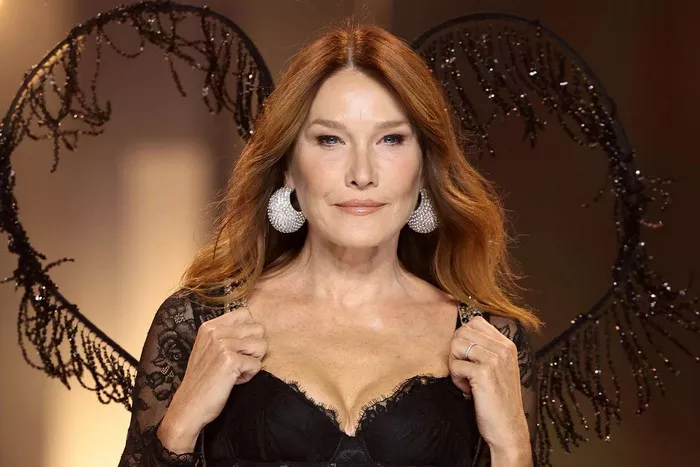
France’s former first lady Carla Bruni has reached a major milestone in her breast cancer journey, announcing the completion of five years of hormone therapy following her diagnosis in late 2019. Now 58, the singer, songwriter, and former fashion model has spoken candidly about the physical toll of long-term endocrine treatment, while underscoring its critical role in preventing cancer recurrence.
In a recent Instagram post, Bruni shared a photo of her final box of tamoxifen and reflected on the path she has taken since her diagnosis. “On December 20, 2025, I will complete five years of hormone therapy after being diagnosed with breast cancer at the end of 2019,” she wrote. “Surgery, radiotherapy, and hormone therapy are the steps we must take to treat this type of cancer.”
While acknowledging that hormone therapy can come with “sometimes aggressive side effects” similar to menopause, Bruni expressed gratitude for the science behind the treatment. She emphasized that its protective benefits can be lifesaving, particularly in the years immediately following a breast cancer diagnosis, when the risk of relapse remains high.
Why Hormone Therapy Matters
Hormone therapy—also known as endocrine therapy—is a cornerstone of treatment for hormone receptor-positive breast cancer, the most common subtype of the disease. These cancers rely on hormones such as estrogen or progesterone to grow.
“Endocrine therapy has significant benefits in reducing the risk of breast cancer recurrence and improving breast cancer survival,” said Dr. Eleonora Teplinsky, head of Breast Medical Oncology at Valley Health System.
The treatment works either by lowering estrogen levels in the body or by blocking estrogen from binding to receptors on cancer cells. Tamoxifen, the medication Bruni took, has been prescribed for decades and is commonly used in women with estrogen receptor-positive breast cancer.
Dr. Elizabeth Comen, a breast medical oncologist, explains that estrogen acts like fuel for certain cancer cells. Tamoxifen blocks estrogen from activating those cells, effectively preventing the hormone from stimulating tumor growth. However, because the drug can act differently in other parts of the body, it may also cause a range of side effects.
Managing Side Effects and Long-Term Care
The side effects of hormone therapy can resemble menopausal symptoms and may include joint and bone pain, fatigue, nausea, appetite changes, and constipation. Despite these challenges, doctors stress that the benefits often outweigh the risks for patients with hormone-sensitive tumors.
Bruni’s treatment plan also included breast cancer surgery and radiation therapy. Radiation is frequently used after surgery to eliminate any remaining cancer cells in the breast or surrounding tissue. According to experts, it plays a key role in lowering recurrence risk, though it can cause fatigue, swelling, and scar tissue, with some potential long-term considerations.
A Message on Screening and Awareness
Bruni has repeatedly used her public platform to advocate for regular breast cancer screening. She previously revealed that she undergoes mammograms annually and credits early detection with saving her life.
“If I hadn’t done one every year, I wouldn’t have a left breast today,” she said in an earlier post, urging women not to delay screenings.
Medical guidelines generally recommend regular mammograms beginning in midlife, with earlier or additional screening advised for women at higher risk due to family history, genetic factors, or dense breast tissue.
Looking Ahead
As she enters the next chapter of survivorship, Bruni says she remains thankful for modern medicine and hopeful that sharing her experience will encourage others to prioritize their health.
“Hormone therapy is a heavy treatment,” she noted, “but its effectiveness can save your life.”
Her message resonates with millions of women worldwide navigating breast cancer treatment or survivorship—offering both realism about the challenges and reassurance about the power of early detection and evidence-based care.
