
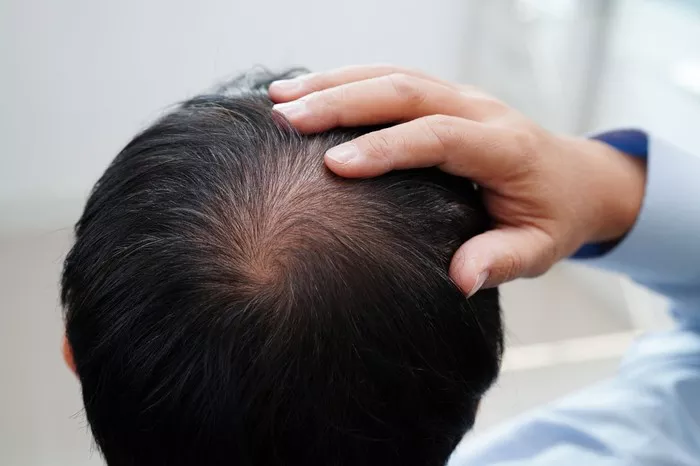
More than half of men and millions of women worldwide experience hair loss, a condition that can trigger anxiety, diminished self-esteem and lasting psychological distress. While treatments such as minoxidil and finasteride have been available for decades, their limited effectiveness and potential side effects mean many patients see little benefit. As a result, scientists are intensifying efforts to understand the biological roots of hair loss and develop more effective, safer therapies.
Hair loss has long been associated with genetics, ageing, hormones and stress. Researchers have identified more than 380 genetic sites linked to balding, many of them connected to how the body responds to testosterone. These genetic influences appear to converge on a smaller number of biological pathways that regulate the hair growth cycle, offering potential targets for new drugs.
One key hormone involved is dihydrotestosterone (DHT), a potent derivative of testosterone. Studies dating back decades have shown that DHT plays a central role in shrinking hair follicles, gradually shortening the growth phase of hair until follicles become dormant. Existing drugs such as finasteride work by blocking the enzyme that converts testosterone into DHT, but their side effects — including sexual dysfunction and mood disorders — limit their appeal and use, particularly among women.
For female patients, treatment options are even more restricted. Dermatologists report that women often experience diffuse thinning across the scalp rather than the patterned hair loss common in men, and many available therapies offer limited results. This has increased demand for alternative approaches that do not interfere directly with hormones.
Among the most widely discussed experimental treatments is platelet-rich plasma (PRP) therapy, which involves injecting concentrated components of a patient’s own blood into the scalp. While PRP has shown promise in some patients and is considered safe, its high cost, lack of standardised protocols and unpredictable outcomes remain obstacles.
At the same time, regenerative medicine is opening new avenues. Researchers are investigating the use of stem cells and the molecules they secrete to revive ageing or inactive hair follicles. Studies suggest that stem cell “secretions,” known as the secretome, may stimulate hair density and thickness by activating pathways involved in hair growth, including the Wnt signalling pathway, which genetic research has linked to balding.
Another area of interest is exosomes — tiny bubbles released by cells that transport biological signals. Experiments in animals have shown that exosomes derived from healthy hair follicle stem cells can alter the hair growth cycle and delay shedding. Early clinical trials using exosomes are now under way, although results have yet to be published.
Meanwhile, biotech companies are pursuing treatments that aim to awaken the body’s own dormant hair follicle stem cells. One topical drug currently in clinical trials is designed to penetrate hair follicles and activate resident stem cells, potentially offering a non-invasive alternative to injections or surgery. Early safety studies have reported encouraging results.
Researchers are also exploring entirely different strategies, including improving blood supply to ageing hair follicles. A naturally occurring sugar molecule, 2-deoxy-D-ribose, has shown hair-regrowth effects comparable to minoxidil in animal studies and may carry fewer side effects. Human trials will be required before it can move closer to clinical use.
Despite the surge in innovation, experts caution that no single solution is likely to work for everyone. Hair loss is biologically complex, and scientists say a full understanding of its causes is still emerging. Nevertheless, with multiple therapies advancing through clinical trials and growing attention to female hair loss, researchers believe meaningful progress is within reach.
As scientists continue to connect the genetic, hormonal and cellular mechanisms behind balding, the prospect of more effective and accessible treatments is becoming increasingly realistic — offering new hope to millions seeking to preserve their hair and confidence.
