
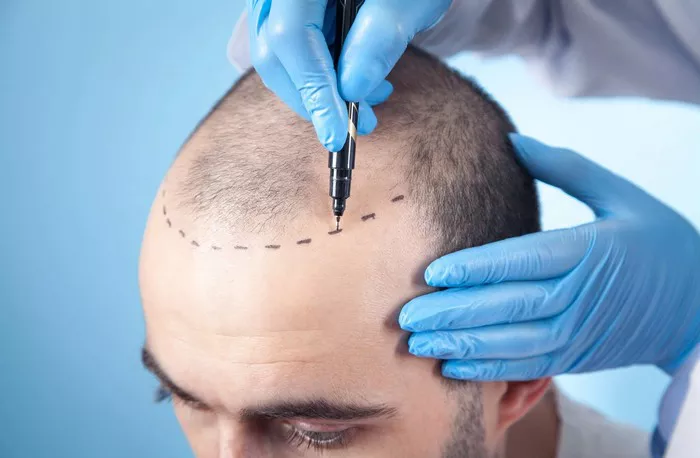
In recent years, hair transplantation has gained widespread acceptance as a reliable and permanent solution to hair loss and baldness. The procedure is increasingly popular across age groups and genders, with patients seeking natural-looking and long-lasting results. While many prospective patients often ask whether a particular season is better for undergoing a hair transplant, medical experts emphasize that the success of the procedure is not determined by the time of year.
However, winter has emerged as the preferred season for many patients—and for several practical reasons.
Dr. Navnit Haror, an international hair transplant surgeon and founder of Dr. Haror’s Wellness in Delhi, India, explains why winter is commonly regarded as the most comfortable and recovery-friendly season for hair transplantation.
Faster Healing and Smoother Recovery
Following a hair transplant, newly implanted grafts typically require three to four days to settle securely into the scalp. During winter, reduced sweating minimizes the risk of graft displacement. Lower perspiration levels also contribute to quicker healing and a reduced chance of infection. According to Dr. Haror, maintaining a controlled environment during recovery significantly improves graft survival rates.
Improved Comfort During the Post-Procedure Phase
Patients are advised to avoid direct sunlight, dust, and pollution immediately after the procedure. Winter’s mild weather makes it easier to limit outdoor exposure and follow post-operative guidelines. In contrast, summer heat and humidity can cause excessive sweating and scalp irritation. Cooler winter temperatures help reduce discomfort and promote a calmer healing process.
Enhanced Graft Retention
Stable scalp temperatures during winter create favorable conditions for newly transplanted hair follicles. Dr. Haror notes that cooler weather supports balanced blood circulation, ensuring that grafts receive adequate nutrients. This environment helps strengthen follicles and lowers the risk of premature shedding.
More Discreet Recovery
Winter also offers an advantage for patients seeking privacy during recovery. People generally spend more time indoors during colder months, reducing social exposure. Additionally, scarves, caps, and mufflers—commonly worn in winter—can discreetly cover the scalp while it heals.
Easier Aftercare Management
Post-transplant care involves avoiding harsh sunlight, dust, and water exposure. These precautions are easier to manage in winter, when outdoor activity is naturally limited. Staying indoors during recovery can lead to faster healing and improved overall results.
Dr. Haror emphasizes that while hair transplantation can be successfully performed in any season, winter offers a safer, more comfortable, and recovery-friendly experience for patients. Ultimately, he adds, choosing an experienced surgeon remains just as important as selecting the right time of year for the procedure.
