
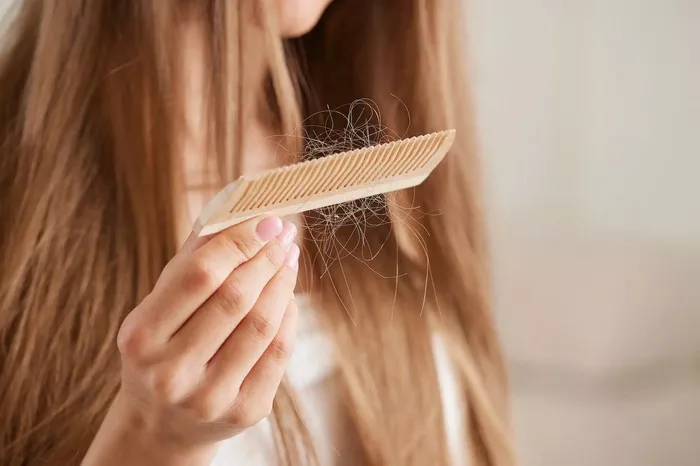
For many new mothers, the moment comes unexpectedly: running fingers through once-thick hair, only to see strands fall out in alarming amounts. While the experience can be distressing, medical experts emphasize that postpartum hair loss is both common and temporary.
According to the National Institutes of Health (NIH), more than 90% of women experience some degree of hair shedding after childbirth. Dermatologists say the phenomenon—often referred to as postpartum hair loss—is a normal biological response rather than a sign of lasting damage.
“Postpartum shedding is a natural reset of the hair cycle,” said Dr. Kim Nichols, a board-certified dermatologist in Greenwich, Connecticut. “It’s not permanent hair loss. It’s simply your body readjusting after pregnancy.”
Why Hair Loss Happens After Pregnancy
During pregnancy, elevated estrogen levels keep hair in its growth phase longer than usual, which is why many women notice thicker, fuller hair. Once estrogen levels drop after delivery, those hairs that were held in place enter the shedding phase simultaneously.
“Estrogen acts like a protective umbrella over the hair cycle during pregnancy,” Dr. Nichols explained. “When that effect ends, the hairs are released together, leading to noticeable shedding that usually peaks around three to four months postpartum.”
Medically, this condition is known as postpartum telogen effluvium—a temporary form of hair loss triggered by a major physiological change.
“It’s a reactive hair loss caused by a systemic stressor,” said Dr. Chesahna Kindred, a dermatologist and hair-loss specialist in Maryland. “In the postpartum period, the trigger is the sudden hormonal shift.”
Factors That Can Worsen Shedding
While postpartum hair loss is largely hormonal, several factors can influence its severity. Genetics may make shedding more noticeable in some women, while nutritional deficiencies—particularly low iron or vitamin D—can contribute. Stress, sleep deprivation, and damaging hair practices such as tight hairstyles, chemical treatments, or excessive heat styling may also worsen hair loss.
“Most women experience a combination of genetic predisposition and postpartum physiological stress,” Dr. Nichols said.
“This is temporary—the hair will grow back,” added Dr. Paradi Mirmirani, a dermatologist specializing in hair disorders at Kaiser Permanente Northern California.
Can Postpartum Hair Loss Be Prevented?
Dermatologists say there is little that can be done to completely prevent postpartum shedding. “Not really,” Dr. Mirmirani said when asked whether the process can be stopped.
Supportive habits can help protect hair and promote regrowth. Experts recommend minimizing heat styling, avoiding tight hairstyles, and maintaining a balanced diet rich in protein, iron, and essential vitamins. Continuing prenatal vitamins after delivery is also advised.
Scalp health plays a role as well. “Using products that deliver nutrients directly to the hair follicle can support circulation and strengthen new growth,” said Helen Reavey, a trichologist and founder of haircare brand Act+Acre.
How to Support Healthy Hair Regrowth
- Topical treatments: Minoxidil may help stimulate regrowth for women who are not breastfeeding. Nursing mothers should consult a healthcare provider before use.
- In-office procedures: Treatments such as PRP, PRF, or scalp hydrodermabrasion with growth factors may improve follicle health and circulation.
- Supplements: Postpartum-specific hair supplements can help replenish nutrients that support regrowth.
- Scalp care: Scalp exfoliation, massages, red light therapy, and periodic use of dandruff shampoo may optimize the scalp environment.
- Gentle styling: Avoid harsh brushing, chemical treatments, and tight hairstyles to minimize breakage.
“Once the acute shedding phase has passed, many women achieve hair that’s even healthier than before pregnancy,” Dr. Nichols said. “The goal isn’t to fight the process, but to support strong, resilient new growth.”
