
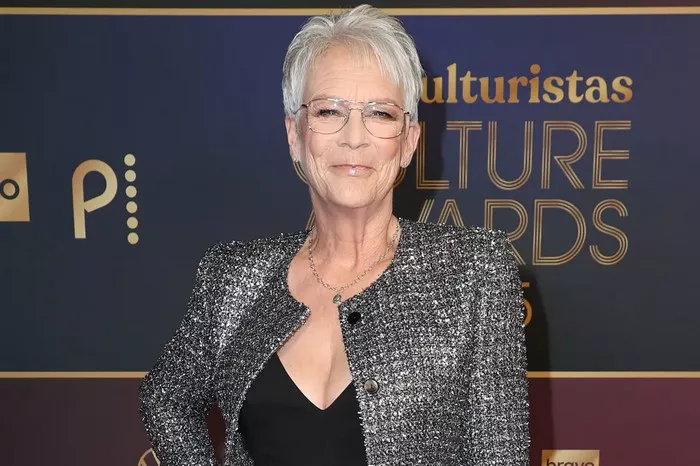
Famed actress Jamie Lee Curtis, 67, has candidly shared her regrets over undergoing plastic surgery at the age of 25, calling it one of the biggest mistakes of her life.
Curtis revealed that the decision was made impulsively, under pressure, and led to immediate remorse. Her experience has since fueled her outspoken advocacy for natural beauty and self-acceptance, particularly among younger generations.
The actress recounted that her decision was triggered by an embarrassing comment from a cameraman on the set of her 1985 film Perfect. “He said, ‘Yeah, I’m not shooting it today. His eyes are swollen.’ And I was 25 years old and so embarrassed for him to say that,” Curtis told 60 Minutes earlier this year. Shortly after filming wrapped, she underwent a blepharoplasty procedure to correct dark circles and swelling around her eyes.
“I immediately regretted it,” Curtis admitted. “It’s just not what you want to do when you’re 25 or 26. And in a way, I’ve regretted it ever since.”
The experience inspired her to become a vocal advocate for women embracing their natural appearance. “I became a public advocate to tell women: you are beautiful and perfect just the way you are. So, yeah, that wasn’t a good thing for me,” she said.
Curtis has since intensified her criticism of the cosmetic surgery and filler industry, describing it as “the genocide of a generation of women” in an interview with The Guardian in July. She expressed concern that widespread cosmetic procedures have “wiped out a generation or two of the natural human look,” arguing that chemicals, surgery, and fillers are contributing to a kind of disfigurement, particularly among women.
She also highlighted the role of social media and artificial intelligence in amplifying these pressures. “A filtered face is becoming what people want,” Curtis said. “I’m not filtered right now. But the moment you put a filter on and see the before and after, it’s hard not to think, ‘Oh, this looks better.’ But what’s better? Better fake.”
Curtis’ candid reflections offer a cautionary perspective on the personal and societal impacts of cosmetic enhancements, reminding audiences of the value of embracing one’s natural appearance.
