
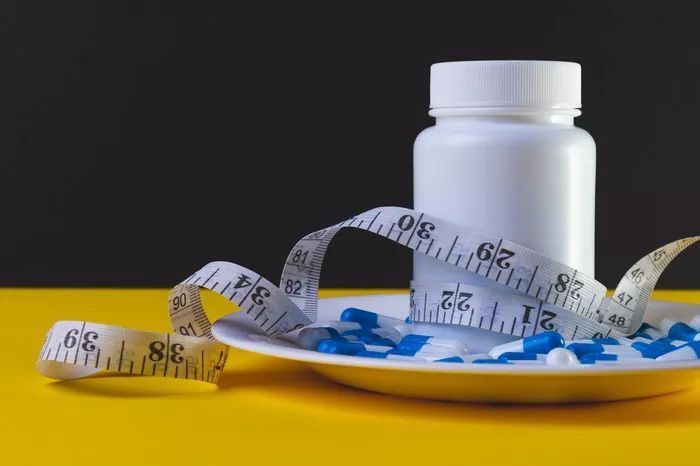
Eli Lilly is moving closer to offering a pill-based alternative to its popular injectable diabetes and weight-loss medications, following encouraging results from a phase three trial of its experimental GLP-1 drug, orforglipron.
Currently, Eli Lilly’s Mounjaro, used for Type 2 diabetes, and Zepbound, intended for obesity treatment, are available only as injections. Orforglipron, however, could be administered once daily in pill form, offering a potentially more convenient option for patients.
In the trial, which included more than 3,000 adults with obesity or overweight and at least one weight-related health condition, participants taking orforglipron lost an average of 12% of their body weight—equivalent to over 27 pounds—after 72 weeks. The findings have not yet been peer-reviewed.
Ken Custer, executive vice president of Eli Lilly, emphasized the potential impact of the oral therapy: “With orforglipron, we’re working to transform obesity care by introducing a potential once-daily oral therapy that could support early intervention and long-term disease management, while offering a convenient alternative to injectable treatments. With these positive data in hand, we are now planning to submit orforglipron for regulatory review by year-end and are prepared for a global launch to address this urgent public health need.”
GLP-1 medications work by stimulating insulin release from the pancreas, slowing digestion to reduce glucose absorption, and enhancing feelings of fullness after meals, according to the Cleveland Clinic. While other companies are developing GLP-1 pills, these oral versions often come with more usage restrictions compared to injectables.
Eli Lilly has expressed hope that orforglipron could reach patients as early as this year, potentially reshaping treatment options for millions managing obesity and Type 2 diabetes.
