
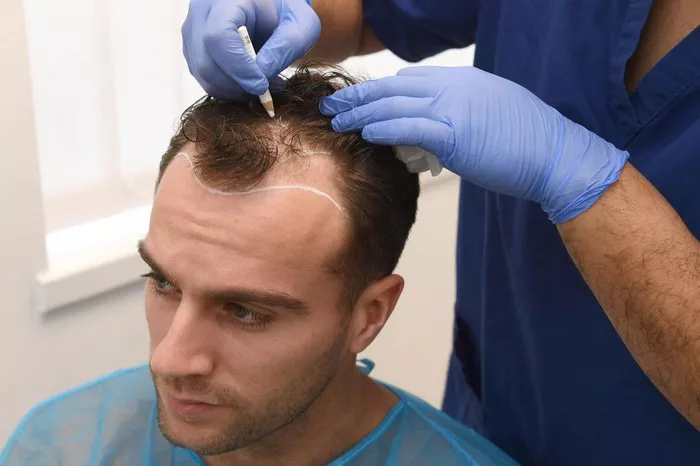
Hair loss is a widespread concern affecting millions of people worldwide. With technological advancements, hair transplants have become a long-term solution for those seeking to restore their hair. However, despite high success rates, many still perceive hair transplants as a mere cosmetic shortcut.Dr Vandana Verma, Medical Director at Kibo Hair Sciences, clarified in an interview with Moneycontrol that hair transplants are carefully planned surgical procedures that work best when patients approach them with realistic expectations. She highlighted five common myths surrounding hair restoration.
Hair Transplant is a One-Stop Solution
Contrary to popular belief, hair transplants do not “cure” hair loss. “Hair transplant is a minor surgical procedure that involves removing grafts from the back of the head and placing them in areas that need coverage,” explains Dr. Verma. “It’s more about redistributing existing follicles than treating the underlying cause. Ongoing integrative medical therapy is essential to maintain results and protect remaining hair.”
Donor Hair is Unlimited
Another misconception is that donor hair is infinite. “Your donor hair is limited. A healthy donor zone typically provides 6,000–7,000 grafts,” says Dr. Verma. Strategic planning is critical to ensure optimal coverage, especially since hair loss may continue over time.
Hair Transplant is Painful
Many avoid hair transplants due to fear of pain. Modern procedures are performed under local anaesthesia, which takes effect within minutes and lasts several hours. Most patients experience minimal discomfort during and after the procedure.
Results are Instant
Instant transformation is a common expectation, but transplanted hair usually sheds within the first month, which is normal. New hair growth starts three to four months after surgery, with full results visible between 12 to 18 months. “Hair restoration follows a natural cycle; it is not an overnight miracle,” notes Dr. Verma.
Hair Transplants are Only for Men
The idea that hair transplants are exclusively for men is outdated. More women are undergoing the procedure to address thinning and pattern hair loss. Recent data shows a 16.5% increase in hair transplant surgeries among women over the past five years, highlighting growing awareness and acceptance.
Dr. Verma concludes that successful hair transplants rely on science, careful planning, and realistic expectations. When approached correctly, the procedure can be transformative, but only if patients move beyond myths and make informed decisions.
