
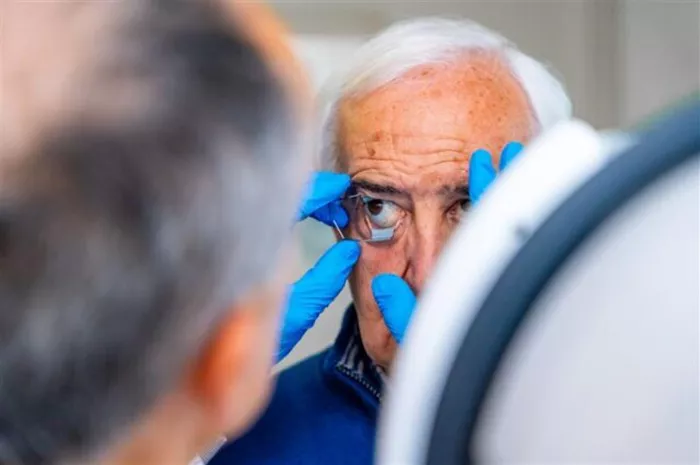
“An ounce of prevention is worth a pound of cure,” Benjamin Franklin once said—a principle that India’s health system is still struggling to apply when it comes to glaucoma. Despite being one of the leading causes of irreversible blindness, glaucoma remains largely overlooked in public health policy.
Early detection and routine screening could prevent most glaucoma-related vision loss, yet millions continue to lose their sight due to the absence of a national screening program or awareness campaign.
Often called the “silent thief of sight,” glaucoma ranks alongside cataract as one of India’s most common causes of blindness. While cataract care has been successfully integrated into public health programs, glaucoma continues to be under-recognized, under-diagnosed, and under-prioritized. Tackling this gap requires more than clinical awareness; it demands deliberate policy action to make prevention, screening, and long-term care central to India’s eye health strategy.
Why Glaucoma Remains a Major Challenge
Glaucoma affects between 2.7% and 4.5% of adults over 40 in India, with nearly 1.2 million people blind from the condition. It accounts for 5.5% of total blindness cases, and shockingly, almost 90% of cases go undiagnosed. Several factors contribute to this:
Lack of Awareness: Many people are unaware of glaucoma’s risk factors, progression, and treatment. Because the disease often shows no symptoms in its early stages, patients typically seek help only after significant vision damage has occurred.
Limited Infrastructure and Access: Accurate diagnosis requires specialized equipment and trained professionals, which are often missing in smaller rural health centers. Patients must travel to urban hospitals for care, contributing to a higher prevalence of blindness in rural areas.
Affordability: While government schemes cover surgeries, the ongoing cost of lifelong glaucoma medication often falls on patients, making treatment adherence challenging and outcomes poorer.
Policy Solutions for Glaucoma Prevention
Unlike cataracts, which are curable with surgery, glaucoma requires lifelong management. India has successfully tackled cataract blindness through the National Programme for Control of Blindness and Visual Impairment (NPCB&VI). A similar approach is needed for glaucoma:
Integrate Targeted Screening: Screening should be mandatory for high-risk groups, including adults over 40, those with diabetes or hypertension, and people with a family history of glaucoma. Low-cost tools like non-contact tonometers can expand access to smaller health centers.
Strengthen the Workforce: Standardized training for primary health workers and the use of telemedicine can ensure rural patients receive timely diagnosis and guidance from specialists.
Subsidize Treatment: Lifelong medication and necessary diagnostic tests should be provided free or at a subsidized cost. A dedicated glaucoma care package under government schemes could cover surgery, medications, and routine check-ups.
India’s success in combating cataract blindness shows that focused policy and investment can transform public health outcomes. Glaucoma cannot be cured with a single surgery; it requires ongoing care, consistent monitoring, and accessible treatment. A national glaucoma policy that mandates routine screening, subsidizes medications, and integrates eye health into primary care could prevent countless cases of blindness, protecting both livelihoods and quality of life.
Related topic:
