
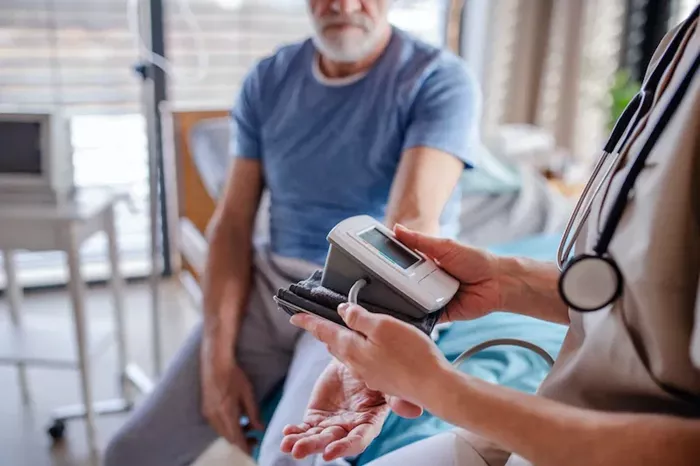
For most people with high blood pressure, a combination of healthy habits and medication helps keep readings in check. But some patients find that no matter how well they eat, exercise, manage stress, or take their prescribed medicines, their blood pressure refuses to drop. This stubborn condition is called resistant hypertension.
Doctors define resistant hypertension as blood pressure that stays above 140/90 mmHg even after taking three or more blood pressure medications, including a diuretic, at the right doses. In simple terms, it’s when standard treatments just don’t work—even when patients are doing everything right.
“For many patients, resistant hypertension is frustrating. They follow the rules—eat well, exercise, sleep better—but their readings won’t budge,” says Dr. Rohith P Reddy, Consultant Interventional Cardiologist at Yashoda Hospitals, Hyderabad. “It’s not about neglect or willpower. Often, there’s an underlying factor keeping blood pressure high, and one of the most common is sleep apnea.”
When the Body Can’t Breathe, Blood Pressure Soars
One often overlooked cause of resistant hypertension is obstructive sleep apnea (OSA), a chronic sleep disorder where the upper airway collapses repeatedly during sleep. These pauses in breathing, which often go unnoticed, reduce oxygen in the blood and trigger brief awakenings.
This cycle, called intermittent hypoxia, puts constant stress on the body. Heart rate rises, stress hormones surge, and blood vessels tighten, keeping blood pressure high—even during the day.
“The drop in oxygen activates the sympathetic nervous system—the body’s ‘fight or flight’ response—causing blood vessels to stay tight and blood pressure to remain elevated,” explains Dr. Reddy.
The Sleep-Apnea and Hypertension Link
Research shows a strong connection between sleep apnea and resistant hypertension. Studies reveal that up to 83% of patients with resistant high blood pressure have undiagnosed sleep apnea. One study found that people with sleep apnea are five times more likely to develop resistant hypertension than those without the condition.
Yet many patients remain unaware. Symptoms like loud snoring, gasping for air at night, unexplained fatigue, and morning headaches are often dismissed as minor sleep issues rather than warning signs of a serious cardiovascular problem.
Treating Sleep Helps, But Sometimes Isn’t Enough
Treating sleep apnea—through weight management, adjusting sleep posture, or using a CPAP machine—can significantly improve blood pressure for many patients. But some still experience high readings even after these interventions.
Years of untreated sleep apnea can overstimulate the sympathetic nervous system. Blood vessels stay constricted, and blood pressure remains stubbornly high despite lifestyle changes and medication.
“For these patients, the solution isn’t just more pills,” says Dr. Reddy. “We need to target the underlying nerve overactivity driving blood pressure.”
For patients whose hypertension remains uncontrolled despite addressing sleep apnea, obesity, or medication issues, new therapies like Renal Denervation (RDN) offer hope.
What Patients Should Do
If you snore loudly, feel tired despite adequate sleep, or have high blood pressure that doesn’t respond to medication, talk to your doctor about screening for sleep apnea and resistant hypertension. Combining healthy sleep habits, treatment for sleep apnea, and innovative therapies when needed can help patients finally take control of even the most stubborn high blood pressure—and reclaim the restorative rest their body needs.
Related topic:
