
As temperatures drop, many people notice changes in their skin—dryness, tightness, and itching are common. For some, these winter woes can escalate into painful, infected sores caused by scratching. This seasonal aggravation is particularly familiar to those with atopic dermatitis, also known as eczema.
Why Eczema Worsens in Winter
Cold, dry air reduces humidity, causing the skin to lose water and its natural protective oils. For people with atopic dermatitis, this loss of moisture often triggers intense itching. Without proper care, the skin may become thick, hardened, and chronically inflamed.
Signs to Watch For
Early warning signs of winter eczema include:
- Persistent, intense itching
- Red, dry, scaly patches or raised bumps
- Clear blisters that may ooze and form crusts if scratched
- Thickened, darkened skin with prominent lines from chronic scratching (often in the elbows, knees, neck, or face)
How Symptoms Vary by Age
Infants (2 months–2 years): Rash commonly appears on cheeks, forehead, and outer limbs
Children (2 years+): Rash often develops in elbow and knee folds and around the neck
Adults: Chronic symptoms may appear on joints, wrists, palms, or eyelids, often with thickened skin
Winter Skincare Tips
Maintaining moisture and avoiding triggers is essential:
Limit prolonged exposure to cold, windy conditions
Use lukewarm water and avoid long baths or showers
Apply gentle, fragrance-free moisturizers immediately after bathing
If itching is severe or persistent, consult a dermatologist for guidance on topical or oral treatments
Finding the Cause
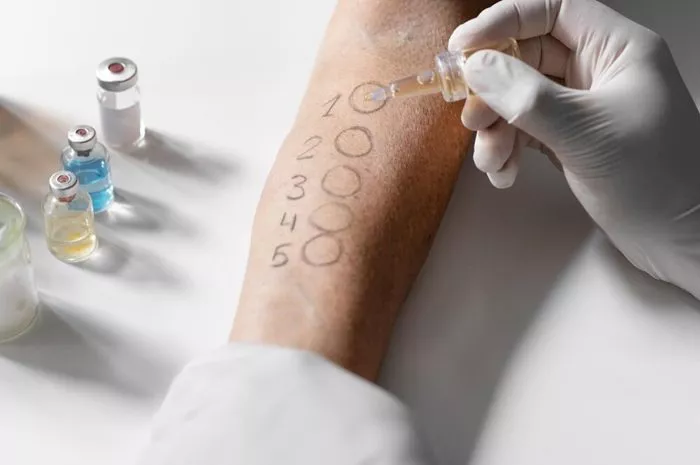
Understanding the triggers of eczema can help prevent flare-ups. Allergy testing can pinpoint specific allergens:
Skin Prick Test: Detects airborne or food-related allergies
Patch Test: Identifies reactions to contact substances
Blood Test: Measures antibodies to specific allergens
With proper care and awareness of triggers, winter doesn’t have to mean worsening eczema. Moisturizing, avoiding irritants, and seeking professional advice when needed can keep the skin healthy and comfortable through the cold season.
Related topic:
