
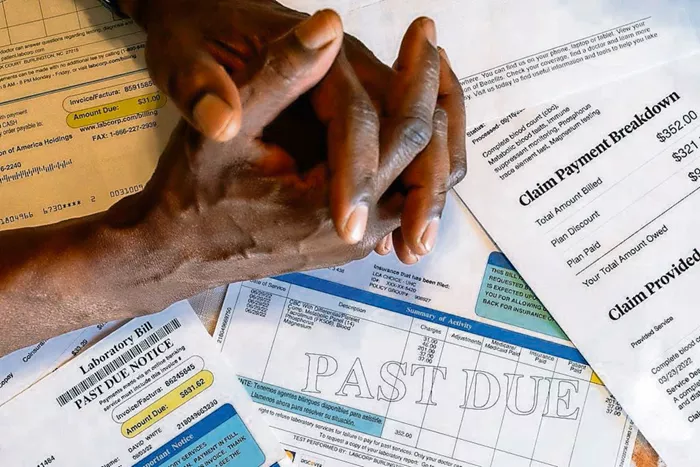
Health insurance premiums provided by employers in Oregon reached new highs in 2024, adding to the financial strain many families already face from rising healthcare costs. According to a recent analysis by the State Health Access Data Assistance Center at the University of Minnesota, the average annual premium for family coverage through Oregon employers reached $24,688. For individuals, the average premium was $8,400. Both figures mark the highest levels ever recorded in the state.
The data highlights a broader national trend where healthcare costs are climbing, and employers are increasingly passing these costs onto their employees.
In Oregon, about 1.8 million residents—roughly half of the state’s population—rely on employer-sponsored health insurance. While employer coverage remains the most common form of health insurance nationwide, the rising costs are making it harder for both employers and employees to afford.
Elizabeth Lukanen, director of the State Health Access Data Assistance Center, said, “Employer-sponsored insurance is becoming increasingly unaffordable for both employers and their workers. Policymakers need to address this issue as part of the broader conversation on healthcare affordability.”
Several factors continue to drive up healthcare costs, including rising hospital prices, expensive prescription drugs, and an increased demand for medical services. On a national level, the average premium for family coverage in 2024 reached $24,540, up 2.5% from the previous year. Individual premiums also rose by 3.7%, reaching $8,486.
Oregon’s increases were slightly higher than the national average—8.3% for family coverage and 5.3% for individual coverage—but still lower than in many other states. For example, Delaware saw a dramatic 26% year-over-year increase, pushing family premiums close to $28,000.
One reason Oregon’s employer-sponsored coverage remains relatively affordable is that workers typically contribute a smaller share of premiums compared to the national average. “Employees in Oregon are paying less of their paycheck toward premiums, while employers are covering a larger share,” said Andrea Stewart, a research fellow with the Minnesota center. “From an employee perspective, that’s a real benefit.”
However, premiums are just one part of the picture. Deductibles, or the amount people must pay before their insurance coverage kicks in, increased even more sharply in Oregon last year. Family deductibles rose by more than 8%, with the average family deductible nearing $4,000, while individual deductibles approached $2,000.
This increase is partly driven by the rising popularity of high-deductible health plans, which offer lower monthly premiums but higher out-of-pocket costs when people need care. More than half of U.S. workers with employer-sponsored insurance are now enrolled in such plans, and Oregon’s rate is also rising.
Stewart warned, “High-deductible plans can seem like a solution because of their lower premiums, but they come with greater risk. A medical emergency can lead to unexpected, high costs.”
This trend is also causing some Oregonians to delay seeking care. A survey by the Oregon Health Authority found that 15% of residents, about 602,000 people, delayed or skipped medical care due to costs. Additionally, 12% of Oregonians, or around 493,000 people, reported depleting their savings to pay medical bills.
The rising costs of employer-sponsored insurance are contributing to the growing healthcare affordability crisis that affects many households. “Even in a state that is doing relatively well compared to the rest of the country, health insurance costs are still rising, and for many families, that’s becoming harder to absorb,” Stewart said.
As Oregon lawmakers continue to tackle healthcare affordability, the new data emphasizes that the issue extends beyond public programs like Medicare and Medicaid. The increasing costs of employer-sponsored insurance are putting additional pressure on household budgets and wages, making healthcare less affordable for many.
Related topic:
