
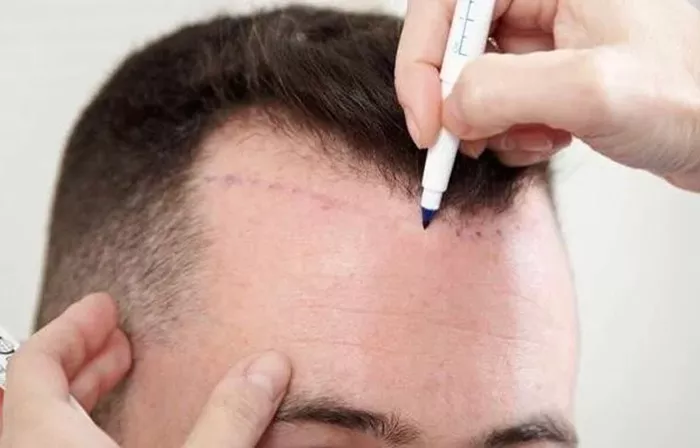
Hair transplantation in Britain has entered a new phase as modern Follicular Unit Extraction (FUE) techniques continue to transform expectations surrounding hair restoration. Once associated with long recovery periods and visible scarring, hair transplants are now regarded as precise, discreet, and highly personalized medical procedures.
Medical experts explain that FUE has become the preferred choice due to its ability to extract and transplant individual hair follicles with pinpoint accuracy. Unlike older techniques, FUE avoids the linear scarring typically seen in traditional methods, resulting in quicker recovery times. Patients are increasingly attracted to this approach for its ability to deliver natural-looking results with minimal visible signs of surgery.
Perhaps the most significant shift driven by FUE is the change in public perception. Hair transplants are no longer seen as extreme or obvious procedures but rather as a refined form of self-care that blends seamlessly into everyday life. Many patients return to work and social activities sooner than expected, often with little evidence of having undergone surgery.
Specialists stress that the key to FUE’s success lies in meticulous planning and artistic precision. Hairline design, graft placement, and density are tailored to the individual’s facial structure and natural growth patterns, ensuring results that mature naturally over time rather than appearing artificial or overly dense.
The appeal of FUE goes beyond aesthetics. Many patients report significant boosts in confidence, self-image, and emotional well-being after the procedure. Hair loss can impact individuals’ professional and social lives, and restoration often restores a sense of control and reassurance. Experts note that these psychological benefits are frequently as important as the physical transformation.
FUE’s versatility also plays a role in its growing popularity. The technique can be adapted to suit different hair types and levels of hair loss, as well as for eyebrow or beard restoration. This flexibility allows clinicians to create customized treatment plans instead of applying a one-size-fits-all approach.
As demand for FUE increases, ethical practice remains a priority. Responsible providers emphasize patient education, set realistic expectations, and ensure long-term planning. This includes preserving donor hair, outlining potential limitations, and offering comprehensive aftercare to promote healthy growth and recovery.
With rising awareness, more individuals are taking the time to research their options before committing to a procedure. Medical experts advise prospective patients to choose qualified professionals, understand who will perform each step of the process, and ensure that decisions are based on medical suitability rather than marketing claims.
Industry observers believe that FUE will continue to shape the future of hair restoration in Britain. Ongoing innovation, improved tools, and greater transparency are elevating standards across the field. These advancements are making hair transplantation more accessible, safer, and better aligned with modern expectations of healthcare and self-care.
Ultimately, the rise of FUE reflects a broader shift toward treatments that prioritize natural outcomes, patient comfort, and lasting confidence. For many, it represents not just a technical advancement but a new approach to hair restoration built on clarity, dignity, and trust.
Related topic:
