
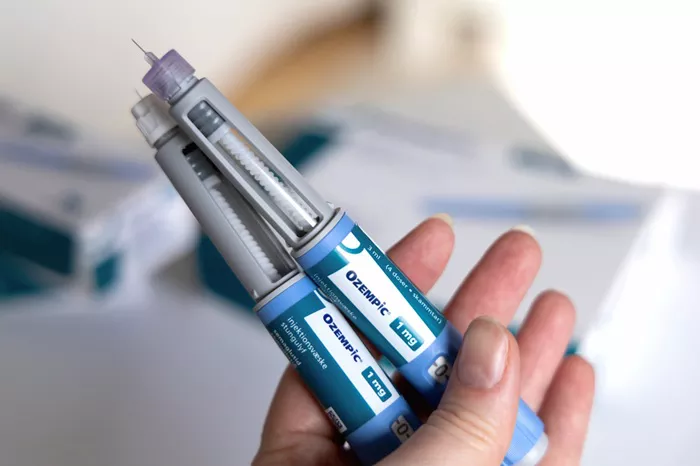
Weight loss drugs known as GLP-1 receptor agonists are best known for lowering blood sugar and reducing body weight. A large new study suggests they may also be linked to a lower risk of some obesity-related cancers, though the benefits appear selective rather than universal.
The study, published in JAMA Network Open in 2024, examined whether people with type 2 diabetes who used GLP-1 drugs developed certain cancers less often than those treated with other common diabetes medications.
What The Researchers Studied
Scientists focused on 13 cancers strongly associated with obesity, including cancers of the colon, liver, pancreas, kidney, and uterus. They analysed electronic health records from across the United States, covering more than 1.6 million adults with type 2 diabetes. Participants were followed for up to 15 years and had no prior diagnosis of these cancers at the start.
The central question was whether cancer rates differed among patients treated with GLP-1 drugs compared with those using insulin or metformin.
Clear Differences Compared With Insulin
When GLP-1 drugs were compared with insulin, the results were striking. Users of GLP-1 medications had a significantly lower risk of 10 of the 13 obesity-related cancers studied.
The risk of gallbladder cancer was about 65% lower, while pancreatic cancer risk was reduced by more than half compared with insulin users. These are substantial differences, suggesting that diabetes treatment choices may influence long-term cancer risk in people with type 2 diabetes.
Where Benefits Were Not Seen
The protective effect was not consistent across all cancers. GLP-1 drugs did not reduce the risk of postmenopausal breast cancer or thyroid cancer compared with insulin. Stomach cancer showed a possible trend toward lower risk, but the result was not statistically strong enough to be conclusive.
This uneven pattern indicates that GLP-1 drugs are not broad cancer-prevention agents.
Comparison With Metformin
Metformin, often the first-line treatment for type 2 diabetes, has long been linked to potential cancer-related benefits. When researchers compared GLP-1 drugs with metformin, the advantage largely disappeared.
There was no clear reduction in cancer risk with GLP-1 drugs compared with metformin for any of the cancers studied. Kidney cancer risk was higher in the GLP-1 group, a finding that does not prove harm but warrants further investigation.
In simple terms, GLP-1 drugs performed better than insulin, but not better than metformin.
Possible Explanations
The study did not determine why these differences exist, but several factors may play a role. GLP-1 drugs promote weight loss, improve insulin sensitivity, and reduce chronic inflammation, all of which are linked to cancer risk in obesity.
Insulin therapy, by contrast, can lead to weight gain and higher circulating insulin levels, which may promote tumour growth in some tissues. Metformin works through different biological pathways, which may explain its comparable or stronger performance.
These explanations remain theoretical.
What The Findings Mean
The study provides strong observational evidence but does not prove cause and effect. It was retrospective, meaning researchers analysed existing health records rather than assigning treatments randomly.
The findings suggest GLP-1 drugs may offer added protection against certain obesity-related cancers for people with type 2 diabetes, particularly when compared with insulin. They do not support using these drugs solely to prevent cancer, nor do they show they are superior for all patients.
Randomised clinical trials will be needed before firm conclusions can be drawn.
Related topic:
