
Pancreatic ductal adenocarcinoma (PDAC) remains one of the deadliest and most difficult-to-treat cancers. Its incidence is rising, especially among younger adults, and current diagnostic tools rarely detect the disease at an early stage. As a result, most patients are diagnosed when the cancer is advanced and treatment options are limited.
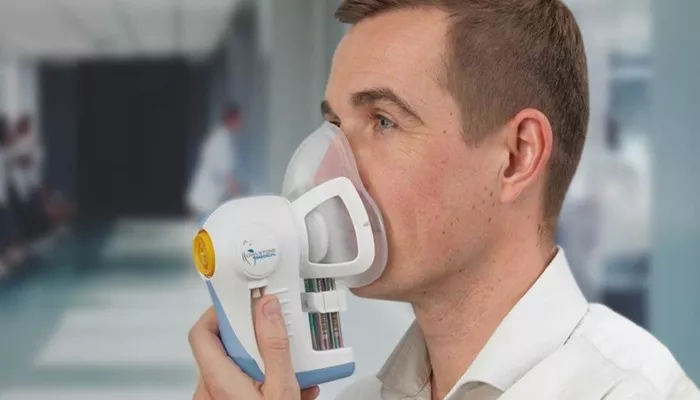
Researchers across the United Kingdom have launched a clinical trial (NCT05727020) to test a non-invasive breath test as a potential screening tool for PDAC. The first phase of the study, called the Volatile Organic Compound Assessment in PDAC (VAPOR 1), involved more than 600 participants, including 205 PDAC patients, 205 with benign pancreatic conditions, and 205 healthy controls.
Participants provided breath samples using a single-use breathalyzer. Researchers then analyzed the samples using gas chromatography–mass spectrometry (GC-MS) to detect volatile organic compounds (VOCs). They developed a statistical model linking specific VOC patterns to PDAC. This model could eventually help doctors identify high-risk patients before symptoms emerge.
VAPOR 1 successfully identified a distinctive VOC profile in PDAC patients. The research team is now preparing for VAPOR 2, which aims to validate the breath test in patients with upper gastrointestinal (GI) symptoms. This next phase plans to recruit 6,000 participants referred for PDAC screening through endoscopy and pathological review. Breath test results will be available prior to pathology reports, allowing comparison and early assessment.
Pancreatic Cancer UK, the charity funding the study, called the trial “the most significant step toward a life-saving breakthrough in 50 years.” If successful, the breath test could transform PDAC detection, enabling earlier diagnosis and improving treatment outcomes.
Related topic:
