
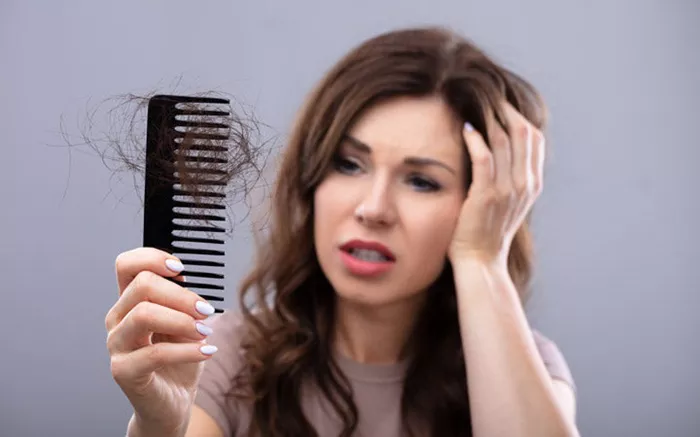
If your hair has been frizzing, shedding, or breaking more than usual this winter, the culprit may not be your shampoo—it could be the season itself, paired with smog. This combination can silently damage your scalp long before visible signs appear.
How Winter and Smog Affect Hair
Dr. BL Jangid, Dermatologist and Hair Transplant Surgeon at SkinQure Clinic, New Delhi, explained to Times of India: “Pollution and cold together can harm hair. The damage isn’t immediate, but it penetrates deeply. Smog particles settle into hair roots, causing dryness, breakage, and severe dandruff.” He added, “During winter, the scalp becomes drier and blood circulation slows. Hair roots receive less nutrition, increasing hair fall.”
Echoing this, Dr. Pranjal Joshi, Cosmetic Dermatologist and Hair Transplant Surgeon at Varsity Skin & Wellness Clinic, Malviya Nagar, said: “Winters and smog visibly affect hair health. The scalp flakes and dries, hair falls more, and texture weakens. Pollutants like PM2.5 and nitrogen dioxide damage keratinocytes, weakening hair shafts.”
Scientific Evidence
Research supports these observations. A 2019 study in the Journal of Dermatological Science found that PM10 exposure reduced hair protein expression, impairing growth and increasing fragility. Similarly, a 2020 study in Toxicology Letters revealed that PM2.5 penetrates follicles, triggers inflammation, and disrupts hair growth.
Cold, dry air compounds the problem. A 2018 International Journal of Trichology study showed low humidity increases scalp dryness, flaking, and transepidermal water loss, matching Dr. Jangid’s warning about reduced moisture and circulation in winter.
Why Smog and Winter Are a Harmful Duo
Experts note that smog particles cling to the scalp, hair shafts, and follicle openings, leading to:
- Dryness and itching
- Inflammation
- Brittle hair
- Dandruff flare-ups
- Increased hair fall
- Weakening of the growth cycle
Meanwhile, cold air lowers humidity and strips natural oils, intensifying dryness, while smog chemicals create oxidative stress in follicles.
Winter Haircare Essentials
Dr. Jangid recommends washing hair 2–3 times a week to remove pollutants and using leave-in conditioners or serums to lock in moisture. He adds that scalp massages with coconut or lightweight oils (applied 2–3 hours before washing, not overnight) improve circulation. Other tips include:
- Staying hydrated (2–3 liters daily)
- Eating iron-, omega-3-, and biotin-rich foods
- Avoiding home remedies and self-medication
- Consulting a dermatologist if hair fall persists
Dr. Joshi advises:
Use sulfate-free shampoos with antioxidants like green tea or vitamin E to neutralize pollution-related free radicals
Exfoliate the scalp weekly to remove pollutant buildup
Massage warm coconut or almond oil for hydration
Wash hair with lukewarm, not hot, water
Apply deep-conditioning masks with natural ingredients like aloe vera, honey, or avocado
Protect the scalp outdoors with hats or scarves
Maintain good sleep, manage stress, and limit smoking and alcohol
“Prevention is better than cure,” Dr. Joshi emphasizes. “Following these practices can help maintain a healthy scalp throughout winter.”
Final Word
Cold winds and toxic smog quietly stress the scalp. The dryness, itching, and hair shedding you notice are interconnected. Early care and smart hair habits are key to protecting your scalp from long-term damage this winter.
Related topic:
