
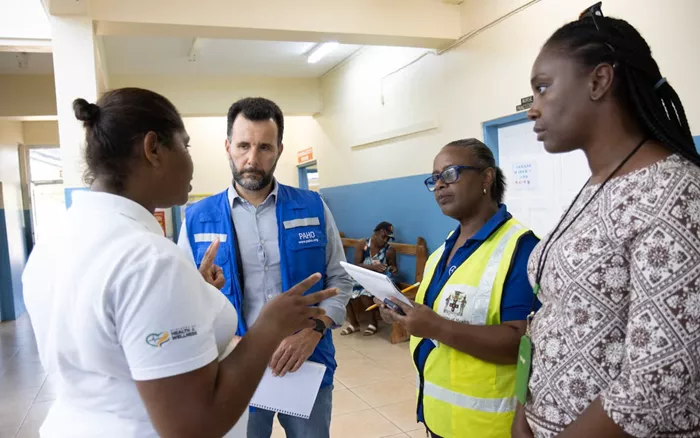
Hurricane Melissa severely damaged Jamaica’s health infrastructure, displacing thousands and disrupting routine care. In its wake, families, health workers, children, and people with chronic illnesses are experiencing acute stress, grief, anxiety, and emotional exhaustion.
Shelters remain crowded, and limited privacy has intensified emotional strain. Early assessments show that people who lost homes or livelihoods face profound helplessness and uncertainty. Older adults, overstretched health workers, and individuals with chronic conditions are also reporting fatigue and reduced coping capacity.
For decades, Jamaica has delivered mental health care through a community-based model integrated into primary health services. Under this system, psychiatrists, psychologists, and psychiatric nurses rotate weekly or biweekly across more than 300 clinics, offering outpatient care, home visits, and mobile outreach. This approach normally ensures broad access and continuous support for people with severe mental health conditions.
Post-hurricane analysis found that more than 130 health clinics were damaged. In Trelawny, two of six mental health sites became non-functional, while in St. Elizabeth four of six centers ceased operations. These closures cut off routine follow-up and disrupted medication continuity for many patients.
As services collapsed, urgent psychosocial risks emerged. People with severe mental illness suddenly faced treatment interruptions and increased risk of relapse. Communities already dealing with trauma and anxiety became even more vulnerable.
“The devastation caused by Hurricane Melissa has led to widespread emotional distress. Without coordinated action, we risk missing people who urgently need mental and psychological support,” said Dr. Kevin Goulbourne, Director of Mental Health Services at the Ministry of Health & Wellness (MoHW).
Strengthening National Coordination
The Pan American Health Organization (PAHO) responded immediately, supporting the MoHW in reactivating essential services and coordinating relief efforts. Within days, the Ministry and PAHO conducted a rapid 48-hour assessment and activated the National Mental Health and Psychosocial Support (MHPSS) Working Group, bringing together 14 organizations. The group deployed the WHO/PAHO 4Ws tool to identify service gaps and map activities in affected areas.
Communities in St. Elizabeth, Trelawny, Westmoreland, and St. James remained cut off for days due to road damage. In response, MoHW and PAHO deployed 20 trained volunteers to shelters, providing structured problem-solving counseling, psychological first aid, stress-management techniques, and referrals. Working with the Jamaican Red Cross and C-TECH, these teams reached about 950 people in the first two weeks.
PAHO, MoHW, and the University of the West Indies also launched weekly in-person Psychological First Aid (PFA) trainings. More than 100 health workers—including many from severely affected parishes—have already completed the sessions.
Supporting Health Workers
Health workers were among the hardest hit, many facing personal loss while working under extreme pressure. To support them, PAHO helped establish weekly “Care for Carers” sessions run by mental health professionals from the Southeast Regional Health Authority. By month’s end, more than 200 health workers from 11 facilities had received group or individual support.
“Many health professionals are grieving, have lost their homes, and still feel compelled to continue providing emergency care,” said Marcello Roriz de Queiroz, a PAHO mental health expert deployed to Jamaica.
With PAHO’s backing, the MoHW also intensified mental health messaging through radio, social media, and printed materials. The campaign promotes positive coping strategies, counters misinformation, and directs people to support services including the national Mental Health and Suicide Prevention Helpline and the UMatter Chatline.
Regional psychiatrists joined the MHPSS Working Group to stay aligned with community needs. Mobile mental health teams reinstated home visits, follow-up care, and medication delivery in isolated communities, restoring vital continuity for psychiatric patients.
“With PAHO’s support, we developed indicators and data collection tools that allow MHPSS providers to track activities for monitoring and evaluation. This information guides adjustments that improve the effectiveness of our support,” Dr. Goulbourne said.
Next Phase: Building Long-Term Capacity
PAHO and the MoHW are now shifting from emergency response to long-term system strengthening. Key priorities include expanded training for health workers, restoration of mobile outreach services, institutionalization of the Care for Carers program, and improved parish-level information systems for mental health services.
“The next phase must focus on consolidating and expanding these capacities through institutional mechanisms,” Roriz de Queiroz emphasized. He noted that embedding MHPSS preparedness and coordination into national structures is essential to strengthen Jamaica’s resilience to future emergencies.
Related topic:
