
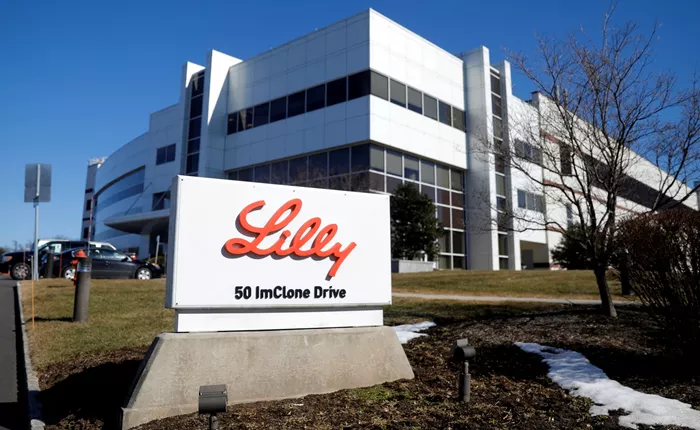
Weight loss drugs like Eli Lilly’s Mounjaro and Zepbound are fundamentally changing global eating habits and food consumption patterns, prompting a major shift in the pharmaceutical and food industries.
Eli Lilly recently reached a $1.5 trillion valuation, reflecting skyrocketing sales of these drugs, which more than doubled in the latest quarter. This surge mirrors the growing adoption of medications that reduce hunger, alter appetite control, and enhance metabolic health beyond weight loss.
These drugs are glucagon-like peptide-1 receptor agonists (GLP-1 RAs) or dual receptor agonists like tirzepatide, which activate hormonal pathways regulating appetite, blood sugar, and cardiovascular function.
Commonly reported effects include decreased obsessive thoughts about food and reduced grocery spending by households using these drugs, pointing to a broad societal impact on eating behavior. In Australia, for example, sales of GLP-1 weight loss drugs have increased nearly tenfold since 2020, with around 200,000 users monthly.
Mounjaro (tirzepatide) targets both GLP-1 and gastric inhibitory polypeptide (GIP) receptors, showing potentially greater weight loss effects than previous medications such as semaglutide (Ozempic, Wegovy). These medications not only promote weight loss but also provide cardiovascular and kidney benefits by improving blood vessel function and lowering blood pressure, independent of weight changes.
However, side effects like nausea and gastrointestinal discomfort can occur, and long-term use raises concerns about muscle and bone density loss. The high cost of these drugs—ranging from $150 to $700 monthly—limits accessibility, with insurance coverage varying widely, particularly in the US. Recent government deals aim to reduce prices significantly to improve patient access.
As these medications redefine obesity treatment and impact food consumption globally, healthcare systems face challenges balancing cost, accessibility, and long-term health outcomes.
Related topics
