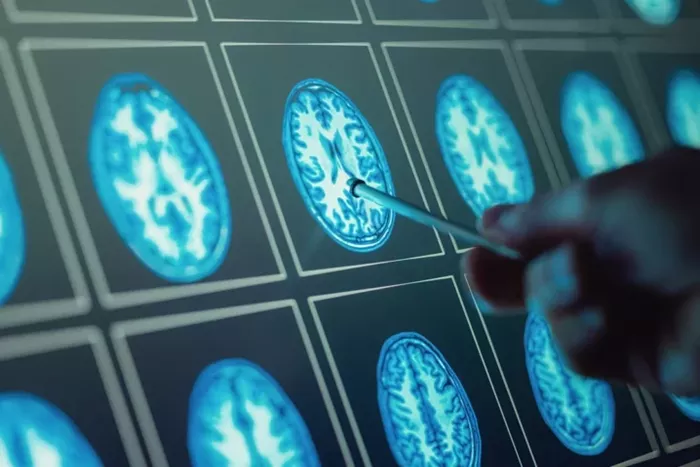
Hydralazine, a decades-old drug primarily used to treat high blood pressure, may have an unexpected role in fighting brain cancer, according to new research from the University of Pennsylvania.
The study, published in Science Advances (2025), found that hydralazine blocks an enzyme called 2-aminoethanethiol dioxygenase (ADO), which is involved in the growth and spread of aggressive glioblastoma tumors.
ADO normally helps cells respond to low oxygen by triggering blood vessel constriction, a process that also regulates blood pressure. Glioblastoma cells exploit ADO to produce hypotaurine, a chemical that supports tumor survival, growth, and stress resistance.
“Hydralazine is one of the earliest vasodilators developed, and it remains a first-line treatment for preeclampsia, a hypertensive disorder responsible for 5-15% of maternal deaths worldwide,” said Kyosuke Shishikura, a physician-scientist at the University of Pennsylvania.
In lab experiments, hydralazine prevented ADO from attacking RGS proteins, stopping the chain reaction that tightens blood vessels and, in glioblastoma cells, halted tumor growth.
No other ADO inhibitors had been identified prior to this study, suggesting hydralazine could serve as a blueprint for developing new therapies targeting glioblastoma. Researchers caution that clinical trials are needed to confirm its safety and efficacy in patients with brain cancer.
The findings also clarify why hydralazine effectively lowers blood pressure in preeclampsia. By understanding the drug’s molecular mechanism, scientists could refine it to reduce side effects and improve outcomes for pregnant patients.
“Understanding how hydralazine works at the molecular level offers a path toward safer, more selective treatments for pregnancy-related hypertension,” said chemist Megan Matthews, from the University of Pennsylvania.
The discovery could pave the way for dual-purpose therapies, offering new approaches for both cardiovascular conditions and brain cancer. Because hydralazine is already widely used, researchers have a valuable head start in repurposing the drug for oncology applications.
“It’s rare that an old cardiovascular drug teaches us something new about the brain,” Matthews said. “We hope these unusual links can lead to new treatment strategies.”
Related topics
- Global Dental Laboratory Market Growth Fueled by Implants and Digital Dentistry
- Who Can Save Money in 2026 With Inexpensive Medical Insurance?
- Top 5 Afro Hair Transplant Clinics in Turkey: Expert Guide 2026