
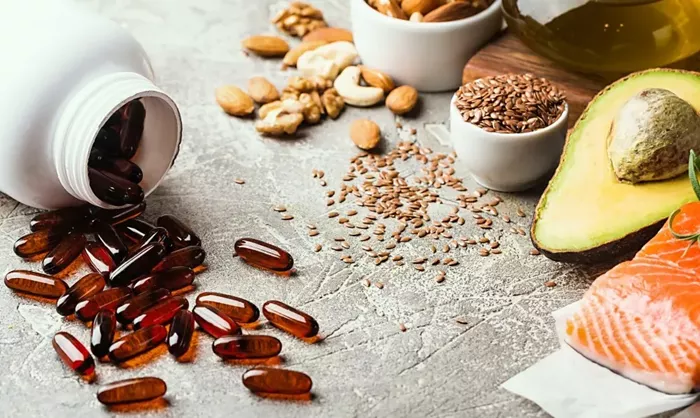
Gut issues affect millions of adults in the U.S., with symptoms ranging from occasional bloating to chronic conditions like irritable bowel syndrome (IBS). While diet is central to digestive wellness, many people turn to targeted supplements to support the gut microbiome—the community of bacteria that helps regulate digestion, immunity and even mood.
Experts explain how gut health works and which nutrients or supplements may strengthen this essential system.
Why Gut Health Matters
Dietitian Kirsten Jackson notes that the gut acts as a “second brain” because it influences many bodily functions. A balanced microbiome helps digestion run smoothly, supports immune health and may benefit cognitive well-being.
Microbiome researcher Miguel Freitas, Ph.D., adds that maintaining gut balance through mindful diet choices can have long-term health benefits.
Key Supplements That May Support Gut Health
Before starting any supplement, experts recommend speaking with a health care professional.
Probiotics
Probiotics are beneficial microorganisms that help keep harmful bacteria out of the digestive tract. The effectiveness of probiotics can vary by strain and by how the product is delivered (foods, capsules or powders).
Freitas recommends probiotic-rich foods when possible because they protect the organisms from stomach acid and provide nutrients that supplements lack. Examples include yogurt, kombucha and fermented vegetables.
Prebiotics
Prebiotics are plant fibers that feed healthy gut bacteria. Research shows they may reduce inflammation, ease constipation and support mineral absorption. Psyllium husk is a widely used prebiotic fiber that may help regulate bowel movements. Prebiotics are also found naturally in foods such as artichokes, bananas, oats and green vegetables.
Fiber
Fiber is crucial for gut function and overall health.
Soluble fiber slows digestion and may support heart health.
Insoluble fiber adds bulk to stool, though too much can worsen constipation.
Because fiber needs vary, experts advise choosing the right type rather than simply increasing total intake.
Peppermint Oil
Peppermint oil has a long history in digestive care. Recent studies show it may relax intestinal muscles and reduce IBS-related discomfort, particularly when released in the small intestine.
Ginger
Ginger contains gingerols, compounds with anti-inflammatory and antioxidant effects. Research suggests ginger may help reduce inflammation in digestive conditions and support microbial balance, though long-term studies are still needed.
Signs Your Gut May Be Out of Balance
Common symptoms include bloating, abdominal pain, diarrhea, constipation, fatigue, acid reflux and nutrient deficiencies. Seek medical care for more serious issues such as bloody stools, fever, severe dehydration or sudden weight loss.
Lifestyle Strategies For Better Gut Health
Experts emphasize that supplements alone cannot maintain gut wellness. A balanced, plant-rich diet remains essential. Jackson recommends aiming for 30 different plant foods each week and 30 grams of fiber per day. Olive oil, due to its polyphenol content, may also support gut bacteria.
Small dietary changes—like swapping white pasta for whole-grain or adding fruit to yogurt—can help the body adjust gradually.
Stress management is another key factor. High stress can disrupt the gut-brain connection, increasing the risk of IBS and other digestive problems. Meditation, regular exercise, adequate sleep and professional support may help maintain stability.
Related topics
New Report Identifies Top Men’s Gut Health Supplements for 2026
Debate Grows On Routine Prostate Screening As PSA Test Questioned
Effective Treatments for Prostate Cancer Symptoms: Managing Hot Flashes
