
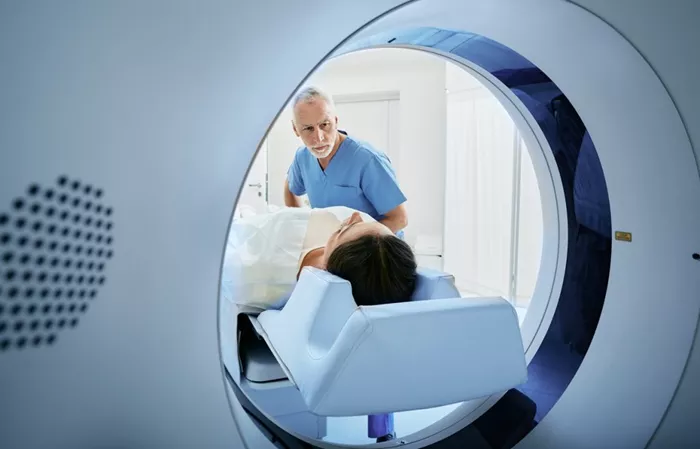
A new study shows that CT scans done for other reasons, like checking the chest or abdomen, can also help identify early signs of osteoporosis. This is possible using an artificial intelligence (AI) tool that analyzes bone density from these scans.
Dr. Miriam Bredella from NYU Grossman School of Medicine explained that opportunistic CT screening should be considered alongside traditional methods, like DEXA scans, to find patients at risk of fracture early. The AI-driven CT scan analysis could lead to faster treatment and better patient outcomes.
Study Details and Results
The study, published in Radiology, developed an AI algorithm that assesses bone mineral density in major vertebrae during routine CT scans. The algorithm uses thresholds based on age, gender, and race. It was tested on over half a million CT exams from nearly 283,500 patients.
Among women aged 60-69 who had both CT and DEXA scans at NYU Langone, the osteoporosis rates found by each method matched closely at about 23.7%. The AI also revealed trends such as higher bone density in women under 50 compared to men, with bone density declining after menopause. Bone density was highest in Black patients, followed by Asian and White patients.
Clinical Implications and Challenges
Osteoporosis often goes undiagnosed because many patients do not get DEXA scans. This AI method uses varied CT scan types and scanners, improving measurement consistency across different conditions.
However, experts caution that CT screening for osteoporosis is not yet ready for widespread use. Additional software is needed for CT scanners, which could increase costs. Also, patients flagged by CT scans would still need a DEXA scan to confirm osteoporosis and decide on treatment.
Many CT scans already report incidental findings like osteoporosis, but following up on these can burden primary care doctors who did not order the scan. Coordinated workflows involving radiologists, primary care, and specialists will be essential for effective use.
Conclusion
This study demonstrates that AI-enhanced opportunistic CT scans can reliably identify osteoporosis during scans done for other reasons. Though promising, further research and infrastructure changes are needed before this method becomes a routine part of clinical practice to help reduce fractures and improve bone health.
Related topics
Liver Cancer Diagnosis Boosted by Precontrast Low Attenuation CT
AstraZeneca’s Imfinzi Approved for Early-Stage Stomach Cancer
Baptist Health Cancer Test Promotes Early Lung Cancer Detection
