
Most U.S. lung cancer patients would not have qualified for screening under current national guidelines, according to new research from Northwestern Medicine. The study found that nearly two-thirds of people diagnosed with lung cancer would have been deemed ineligible for annual low-dose CT scans — the only proven test to detect the disease early and reduce mortality.
The findings highlight gaps in the United States Preventive Services Task Force (USPSTF) criteria, which recommend annual screening only for adults ages 50 to 80 with a 20 pack-year smoking history who currently smoke or quit within the past 15 years.
In the Northwestern study, published Nov. 20 in JAMA Network Open, researchers reviewed almost 1,000 consecutive lung cancer cases. Only 35% of patients met USPSTF eligibility thresholds. Women and never-smokers accounted for a large share of those excluded. Nearly 80% of cancers were diagnosed at an advanced stage.
Physicians say the real-world consequences are evident in patients like Carla Tapia, a 38-year-old Maryland mother of three. Tapia smoked briefly as a teenager but quit by age 18. She developed symptoms in 2018 and learned she had stage 4 lung cancer in 2020. After multiple treatments failed, she underwent a double-lung transplant in 2024. She believes earlier screening could have changed the trajectory of her disease.
Study senior author Dr. Ankit Bharat, chief of thoracic surgery at the Northwestern Medicine Canning Thoracic Institute, argues that lung cancer screening should follow the model of universal age-based screening used for breast and colorectal cancer. His team proposes offering lung CT scans to all adults ages 40 to 85, regardless of smoking history.
“A single low-dose CT scan provides a comprehensive view of the lungs, heart, and bones and becomes an essential baseline for long-term monitoring,” Bharat said.
Researchers note growing concern that post-COVID lung injury — including scarring and fibrosis — may raise long-term risks even among younger adults. Bharat said clinicians are now seeing more patients with persistent lung damage following repeated viral infections.
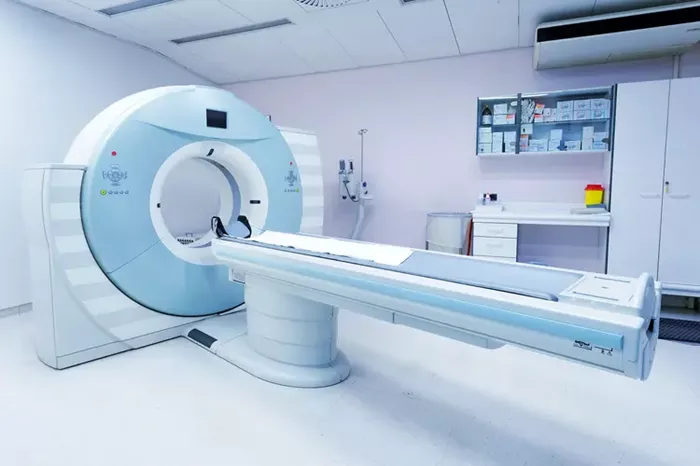
Low-dose CT scans take less than 10 seconds and require no intravenous contrast. Northwestern’s Lung Health Center advises screening consideration for several groups at potential risk, including:
- COVID-19 survivors with ongoing respiratory symptoms
- Individuals exposed to wildfire smoke, industrial pollutants, or high radon
- People with family histories of lung disease or pulmonary fibrosis
- Those exposed to secondhand smoke, vaping, or marijuana smoke
- Asian women and other demographics known to face elevated risk
- Anyone seeking a baseline assessment of chest health
A more inclusive approach, said co-author Dr. Scott Budinger, could detect lung cancer, interstitial lung disease, and fibrosis “years before they are typically diagnosed,” especially in younger patients affected by vaping, environmental hazards, or post-COVID complications.
Related topics
Trump Eyes Two-Year Subsidy Boost for ACA Health Insurance Plans
Is Dental Insurance Worth the Cost? Many Patients Remain Unconvinced
