
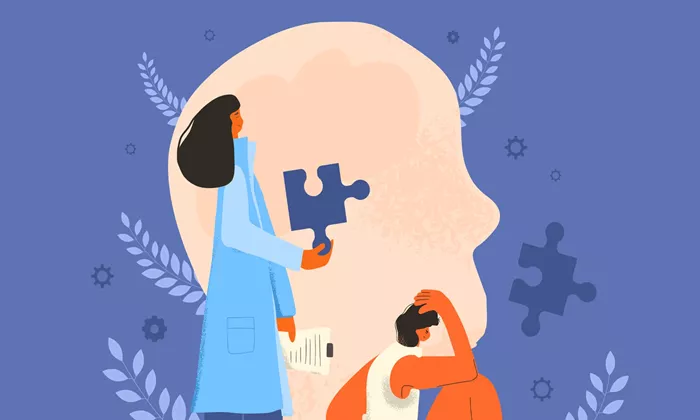
Autism and ADHD can exist together in one person. This combination is often called AuDHD. People with Coexisting Autism and ADHD have unique strengths that may help them focus more deeply and understand the world in their own way.
Looking at these strengths can improve well-being for people who are neurodivergent. Neurodivergent means having a different way of thinking or learning, like autism or ADHD. Therapists, including ADHD specialists, recognize that focusing on abilities instead of just problems can help people feel more included and understood.
What is AuDHD?
AuDHD is not an official medical diagnosis, but professionals and the neurodivergent community use the word more often now. It means a person experiences traits from both autism spectrum disorder (ASD) and attention-deficit/hyperactivity disorder (ADHD). Experts say that understanding AuDHD can help people discover their skills and potential.
How Do Autism and ADHD Work Together?
Autism and ADHD share some features, but have differences too. Both affect how someone thinks, feels, and responds to the world. People with AuDHD might have very active minds. They can focus deeply or switch ideas quickly. Sometimes, they are sensitive to sounds and changes around them.
ADHD is usually linked with being impulsive and shifting attention often. Autism is often linked to wanting order and predictability. When these both appear in one person, it can create a blend of creative energy and careful focus. These traits may help with innovation, empathy, and resilience. Many with AuDHD can connect ideas across different topics and see patterns that others might miss.
Key Strengths in AuDHD
Therapists who work with neurodivergent clients often see five main strengths in people with AuDHD:
Attuned: People show strong sensitivity and awareness. They notice details, emotions, and changes in their surroundings. This can lead to high empathy and deep connections to others.
Unified: These individuals can combine ideas from different places and see how things fit together. They think in systems, not just separate facts. This helps with creative problem-solving and understanding others.
Dynamic: There is often curiosity and movement. When they care about a topic, they focus and work deeply. Their energy helps them adapt to changes and think creatively.
Heartfelt: AuDHD minds value honesty and real connections. Relationships matter, and they build trust through genuine communication. They care about fairness and compassion.
Driven: Their motivation comes from within. They work toward personal goals and want to make a positive difference. This inner drive helps them overcome challenges and build expertise in what matters to them.
Creating Environments for Success
Strengths develop best in places where people can be themselves and feel comfortable. AuDHD individuals thrive when given flexibility, support, and respect for their unique needs. Schools can help by encouraging curiosity and using different teaching methods. Workplaces can help by recognizing everyone’s preferred ways of working and communicating. Building on strengths helps increase inclusion and self-confidence in society.
Talking about AuDHD is becoming more common. Society is learning that differences do not limit people. Instead, these differences can help people grow and add unique value to the world. Every step toward understanding makes inclusion more real and helps everyone appreciate the full range of human talent.
Related topics
