
A team from Mass General Brigham has found that a routine blood test might one day help detect a lesser-known type of dementia called limbic-predominant age-related TDP-43 encephalopathy, or LATE. The new study, led by Dr. Jijing Wang and Dr. Hyun-Sik Yang from the Department of Neurology, was recently published in Molecular Neurodegeneration.
LATE is a recently recognized condition that often appears alongside Alzheimer’s disease and contributes to memory loss in older adults. Unlike Alzheimer’s, which can now be diagnosed through blood or spinal fluid tests, LATE can currently be confirmed only after death during an autopsy. The researchers aimed to change this by finding a way to detect LATE in living people.
Their research focused on a protein called TDP-43, which builds up in the brains of people with LATE. The team analyzed blood samples from 50 older participants in the Religious Orders Study and the Rush Memory and Aging Project at Rush University Medical Center in Chicago. These samples were collected several years before the participants’ deaths, allowing the scientists to compare the blood results with detailed brain examinations later on.
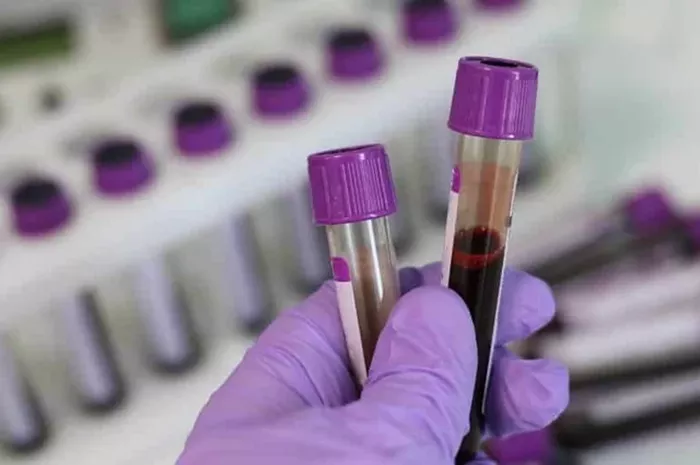
Using an ultra-sensitive test, the researchers measured total and phosphorylated forms of TDP-43 in blood plasma. They discovered that people with advanced LATE had significantly higher levels of this protein in their blood—especially those who also had Alzheimer’s changes. The amount of TDP-43 in blood closely matched how much had accumulated in the brain, even after accounting for other Alzheimer’s-related proteins such as amyloid and tau.
The findings suggest that a simple blood test could one day help diagnose LATE during life. Such a test would allow doctors to distinguish between different types of dementia more accurately and could improve how patients are diagnosed and treated.
The team emphasized that more research is needed. Larger and more diverse studies will be required to confirm these results and to see whether blood TDP-43 can detect LATE in people without Alzheimer’s. They also plan to test whether changes in TDP-43 levels can track disease progression over time.
Dr. Yang said the long-term goal is to make TDP-43 part of a blood-based diagnostic toolkit. This could help identify dementia earlier, improve clinical trials, and deepen understanding of dementia beyond Alzheimer’s disease.
Related topics
