
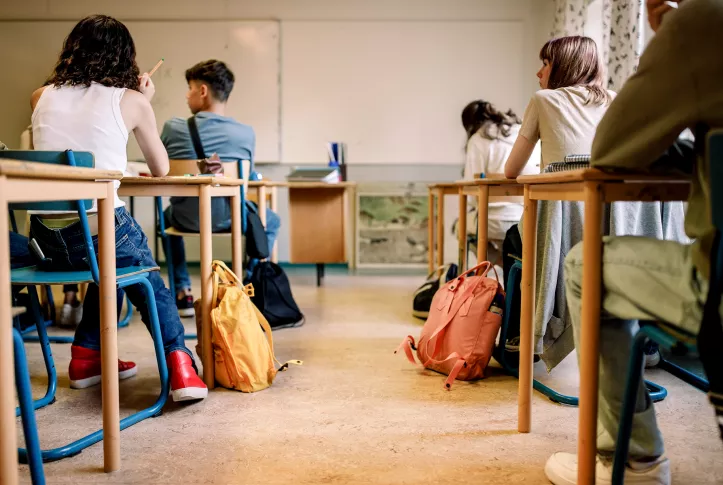
Mental health challenges continue to rise among young people in rural California. Depression, anxiety and suicide rates are significantly higher than those seen in suburban and urban communities. Suicide among rural adolescents and young adults is almost 50% higher than among their city-dwelling peers. Many young people also live far from professional help, leaving them to struggle alone.
In many rural regions, treatment is hard to find. Insurance coverage is limited, and the mental health workforce is extremely small. Experts report that about two-thirds of rural counties have no psychiatrist. Eight out of 10 have no psychiatric nurse practitioner. Nearly half do not have a psychologist.
For many students, even getting to an appointment is a challenge. A doctor’s visit may require driving 50 to 100 miles. Families may not have the time, money or gas to make the trip. Appointments are scarce, and wait times can stretch for months. As a result, students often continue going to school while hiding serious emotional strain.
Telehealth has helped some communities, but it does not solve the problem. About 30% of rural households still lack reliable internet service. Artificial intelligence tools have also been suggested, but technology gaps limit their usefulness. More importantly, digital tools cannot replace human empathy or trust.
Mental health advocates say that peer support programs can help fill this gap. These programs train students to listen, offer support and guide classmates to resources. They operate as elective classes with teacher supervision and clinical guidance. Peer supporters learn how to respond safely, take notes responsibly and involve professionals when needed.
Several high schools in California have already tried this approach. However, many rural campuses have no such program. Supporters argue that the state should expand funding so rural districts are included. The Behavioral Health Services Act — a 1% tax on incomes above $1 million — could provide the resources needed.
Some people worry that focusing on rural schools may overlook urban students. But rural students often face the greatest barriers. Some attend schools without a single counselor or psychologist on site. Lawmakers say the goal is not to favor one group, but to reduce a clear gap in access.
Gov. Gavin Newsom could help address this by supporting legislation that ensures peer support programs in every rural high school. State Sen. Susan Rubio of West Covina has already backed mental health education measures and could lead this effort.
The power of peer connection is personal for many advocates. One student leader from Iowa describes growing up where mental health care was limited and stigma was common. While serving on the Waterloo Youth City Council, she helped pass a bill requiring crisis hotline numbers on student ID cards. California has adopted a similar law requiring the 988 Suicide and Crisis Lifeline to be printed on school IDs. This is a meaningful step, but advocates say awareness alone is not enough. Students still need real human support.
Imagine a rural student who feels overwhelmed and isolated. Having a trained classmate down the hall could make a life-changing difference. A simple conversation could help that student feel seen and supported.
Young people often look for help that feels genuine and free of judgment. Peer programs provide a safe first step before professional care becomes available. If California wants to meet the mental health needs of its youth, it must ensure that no student faces these struggles in silence.
Related topics
