
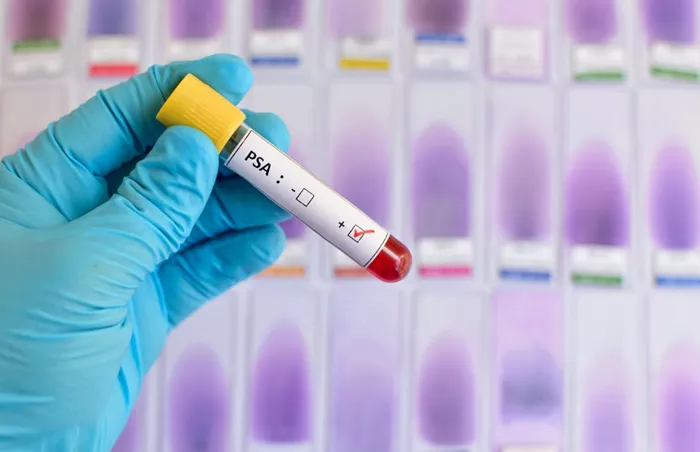
Junior Hemans, 51, was diagnosed with prostate cancer in 2014 after requesting a prostate-specific antigen (PSA) test during a routine health check. Hemans had no symptoms but knew that black men face higher risks for the disease.
“The diagnosis was a shock,” he said. “If a screening program had been in place, I could have been diagnosed earlier.”
Currently, the PSA test is not routinely offered on the NHS. Hemans now advocates for a national screening program targeting men at highest risk.
Prostate cancer is the most commonly diagnosed cancer in England, surpassing breast cancer, with more than 55,000 new cases annually. One in eight men will be diagnosed in their lifetime, but black men face an elevated risk—one in four.
The UK National Screening Committee (NSC) is expected to decide soon whether to recommend an NHS screening program. Experts suggest targeted screening for high-risk groups, including black men.
Keith Morgan, associate director of Black health equity at Prostate Cancer UK, said evidence supports targeted screening. Black men are more likely to be diagnosed at later stages and experience higher mortality, even in less deprived areas. “Leaving screening to chance entrenches inequalities and creates a fatal postcode lottery,” he said.
David James, director of patient projects at Prostate Cancer Research, said screening men aged 45–69 with a family history of prostate, breast, or ovarian cancer—or with certain genetic mutations—would be cost-effective and provide socioeconomic benefits without overwhelming the NHS.
However, some researchers urge caution. Naser Turabi, director of evidence at Cancer Research UK, noted that PSA levels can naturally be higher in black men, potentially leading to over-diagnosis. He emphasized that “black” is a social, not genetic, category, and risk may vary across populations of African ancestry.
Rhian Gabe, professor of biostatistics at Queen Mary University of London, is co-leading the £42 million Transform trial. The 20-year study will enroll one in ten participants from black communities, aiming to fill gaps in research data and optimize screening strategies.
Harveer Dev, academic urologist at the University of Cambridge, said public opinion has shifted in favor of earlier detection, influencing the debate over a national screening program.
As the NSC prepares its recommendation, advocates say policymakers must act to reduce late diagnoses and address inequities, whether through targeted screening or enhanced awareness campaigns.
Related topics
