
Prostate cancer cases have surged dramatically in Korea, with over 20,000 new diagnoses reported in 2022, according to the National Cancer Center. The disease now represents 7.4 percent of all cancers and ranks second among men, with an incidence rate of 14.1 percent. Professor Jeon Seong-soo of the Department of Urology at Samsung Medical Center (SMC) noted that the number of cases has nearly doubled over the past decade, particularly among men aged 65 and older.
Hormone-Sensitive Stage: A Critical Window for Intervention
Jeon explained that metastatic hormone-sensitive prostate cancer (mHSPC) is a pivotal stage in the disease’s trajectory. “This is the phase when the cancer still responds to hormonal therapy,” he said. “Once resistance develops, the disease becomes far more aggressive, making early and appropriate treatment crucial.”
Historically, androgen deprivation therapy (ADT) alone was the standard, but researchers soon discovered its limitations. Prostate cancer cells eventually adapt and continue to survive even under low-androgen conditions. This understanding led to the introduction of combination therapies that pair ADT with either chemotherapy or androgen receptor–targeted agents (ARTA).
Advancements in Combination Therapy and Clinical Evidence
Among the ARTA options, Xtandi (enzalutamide) has become a cornerstone treatment. Jeon highlighted its versatility and safety, particularly in elderly patients with cardiovascular or hepatic comorbidities. “Xtandi can be used safely in most patients and helps maintain continuous therapy without interruption,” he said.
Clinical trials such as ARCHES and ENZAMET have provided compelling evidence supporting early combination therapy. In ARCHES, the risk of radiographic progression or death was reduced by 61 percent, while ENZAMET reported a 27 percent drop in mortality risk. “These numbers represent more than statistics,” Jeon emphasized. “They show that early intervention with Xtandi can meaningfully extend survival, even for high-risk patients.”
Reimbursement Expands Access and Patient Confidence
Since the reimbursement of Xtandi in Korea two years ago, Jeon has observed a transformative change in clinical practice. “Before coverage, financial concerns often delayed or prevented treatment,” he said. “Now, patients receive optimal care from the start, ensuring both fairness and medical integrity.”
He added that insurance coverage has improved patient trust. “When patients know they are receiving the best standard of care, their confidence and psychological stability improve,” Jeon said. “It allows physicians to focus on outcomes rather than costs.”
Improving Survival and Quality of Life
For Jeon, maintaining daily function is as important as prolonging life. “Our goal is not only survival but enabling patients to live independently and comfortably,” he said. Xtandi’s oral form makes it easy to integrate into daily life, and patients often report maintaining stable PSA test levels while continuing normal routines.
“Many patients tell me, ‘I can live as I did before,’” Jeon noted. “That’s incredibly rewarding as a physician because it reflects both physical and emotional stability.”
Managing Side Effects and Long-Term Safety
Xtandi is generally well tolerated, with mild fatigue being the most common side effect, followed by occasional increases in blood pressure or muscle pain. These are typically manageable through dose adjustments or short treatment pauses. Jeon stressed that the drug’s safety profile makes it particularly suitable for older men with multiple health conditions.
“A therapy that’s potent yet gentle, like Xtandi, allows for long-term adherence without compromising safety,” he said.
PSA Screening and Early Detection: The Next Step
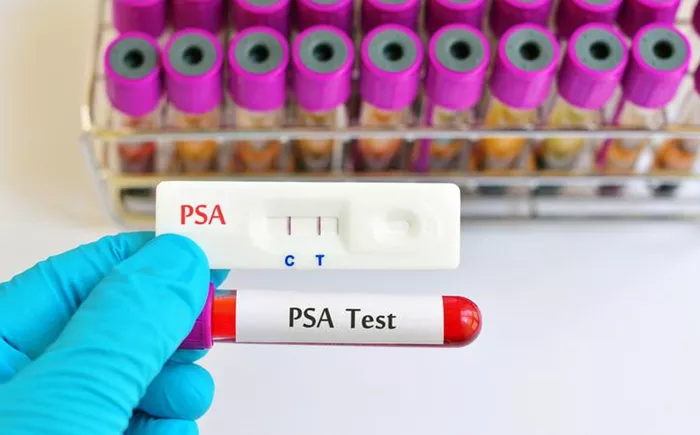
Jeon strongly advocates for early detection through PSA testing, emphasizing that localized prostate cancer has a five-year survival rate exceeding 100 percent. However, once metastasis occurs, survival drops below 50 percent. “PSA is a simple, low-cost blood test that can mean the difference between a curable and incurable disease,” he said.
He urged the inclusion of PSA testing in Korea’s national cancer screening program, echoing the position of the Korean Urological Oncology Society. “Too often, patients believe government check-ups cover everything,” Jeon said. “It’s time PSA testing became a national standard.”
Encouragement and Outlook
Concluding the interview, Jeon expressed optimism about the future of prostate cancer management. “Prostate cancer is no longer a hopeless diagnosis,” he said. “With proper early treatment, even metastatic cases can achieve strong outcomes. The key is early detection, trust between doctors and patients, and ongoing engagement in therapy.”
He added, “Modern therapy doesn’t just extend life — it protects the quality of life patients value most.”
Related topics
Experts Link Keto Diet Success to the ‘Add, Don’t Subtract’ Mindset”
The 6 Best Clippers for Men Delivering Speed, Precision and Performance
