
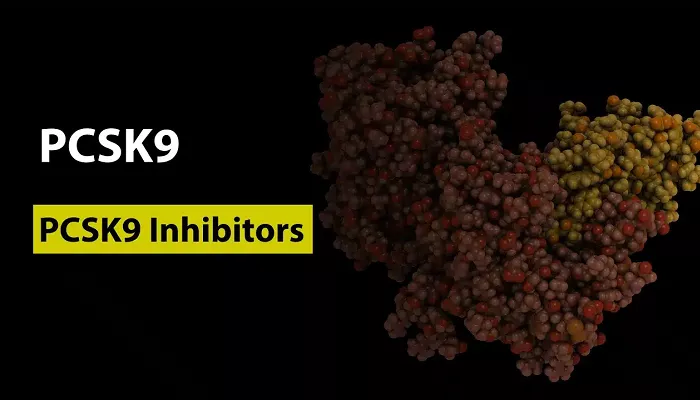
A phase 3 clinical trial presented at the American Heart Association’s 2025 Scientific Sessions demonstrates that enlicitide, an investigational oral PCSK9 inhibitor, reduces LDL cholesterol by up to 60% in high-risk cardiovascular patients.
The CORALreef Lipids trial results suggest this daily oral medication could provide an effective alternative to injectable PCSK9 inhibitors, potentially addressing adherence challenges in long-term cardiovascular risk management. This development represents a significant advancement in lipid-lowering therapeutics for patients with established cardiovascular disease or high risk of heart attack and stroke.
Trial Design and Participant Profile
The international multicenter study enrolled 2,912 adults (average age 63, 39% female) across 168 healthcare centers in 14 countries between August 2023 and July 2025. Participants included individuals with previous heart attacks or strokes, or those assessed as having moderate-to-high risk for cardiovascular events within 10 years.
All maintained elevated LDL levels despite stable lipid-lowering therapy, with 97% on statins and 26% taking additional cholesterol absorption inhibitors like ezetimibe. Participants were randomized 2:1 to receive either 20mg enlicitide once daily or placebo.
Key Efficacy Outcomes
After 24 weeks of daily treatment, enlicitide demonstrated comprehensive lipid-lowering effects:
- 60% reductionin LDL cholesterol, sustained through 52 weeks
- 53% decreasein non-HDL cholesterol
- 50% reductionin ApoB levels
- 28% loweringof Lp(a), a genetically determined cardiovascular risk factor
Notably, 70% of treated participants achieved both ≥50% LDL reduction and LDL levels <70 mg/dL, while over two-thirds reached the more stringent <55 mg/dL target.
Safety Profile and Comparative Performance
The oral therapy showed a favorable safety profile with serious adverse events occurring in 10% of enlicitide recipients versus 12% with placebo.
Discontinuation rates due to side effects were low and comparable between groups (3% vs 4%). “Enlicitide produced lipid changes nearly identical to injectable PCSK9 antibodies and numerically superior to siRNA alternatives,” stated lead investigator Dr. Navar.
Clinical Implications and Patient Impact
This oral PCSK9 inhibitor could significantly improve treatment adherence, which remains a major challenge in long-term cardiovascular prevention.
The convenience of daily oral administration may overcome barriers associated with injectable therapies, particularly for high-risk patients requiring intensive lipid management despite maximal conventional therapy. The ability to significantly reduce multiple atherogenic lipoproteins, including the genetically determined Lp(a), represents an important therapeutic advantage.
Research Context and Future Directions
As the first oral PCSK9 inhibitor to demonstrate robust efficacy in a large phase 3 trial, enlicitide addresses a critical unmet need in cardiovascular risk management. The ongoing CORALreef outcomes trial will determine whether these substantial lipid-lowering effects translate into reduced major cardiovascular events.
If successful, this approach could transform management for high-risk patients who currently depend on injectable options, potentially improving both accessibility and adherence in chronic cardiovascular disease management.
Related topics:
