
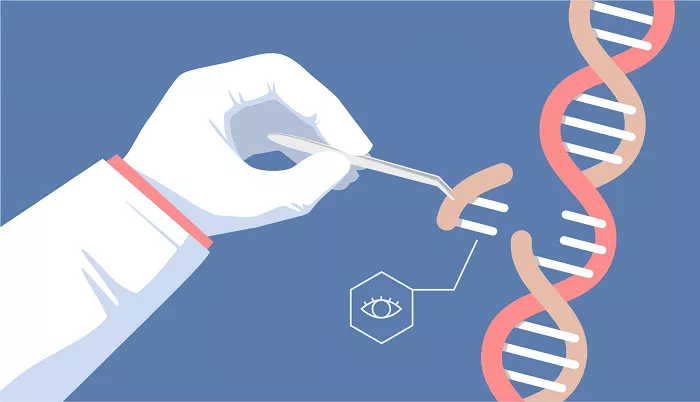
A first-in-human Phase 1 clinical trial presented at the American Heart Association’s 2025 Scientific Sessions demonstrates that a single-dose CRISPR-Cas9 gene editing therapy safely and significantly reduces LDL cholesterol and triglycerides in patients with difficult-to-treat lipid disorders.
The study of CTX310™, an experimental therapy that inactivates the ANGPTL3 gene, showed reductions of up to 60% in both lipid parameters—exceeding researchers’ expectations and offering potential for a transformative approach to managing genetic lipid conditions.
Mechanism of Action and Biological Rationale
CTX310 utilizes lipid nanoparticles to deliver CRISPR gene-editing machinery to liver cells, where it permanently disables the ANGPTL3 (angiopoietin-like protein 3) gene.
This approach mimics natural genetic variations observed in individuals born with ANGPTL3 mutations, who typically exhibit lifelong lower cholesterol and triglyceride levels with reduced cardiovascular risk. By targeting this specific genetic pathway, the therapy addresses both LDL cholesterol and triglycerides simultaneously—a unique advantage over existing treatments that typically target only one lipid parameter.
Trial Design and Participant Profile
The dose-escalation study enrolled 15 adults (median age 53, 13 male/2 female) with various treatment-resistant lipid disorders:
- 1 patient with homozygous familial hypercholesterolemia
- 5 with heterozygous familial hypercholesterolemia
- 1 with mixed dyslipidemia
Participants received single intravenous infusions of CTX310 at doses ranging from 0.1 to 0.8 mg/kg after pretreatment with corticosteroids and antihistamines. The trial was conducted at six sites across Australia, New Zealand, and the United Kingdom from June 2024 through August 2025.
Key Efficacy Findings
Results demonstrated robust and sustained lipid reduction:
Rapid onset: Lipid levels dropped within two weeks post-treatment
Significant reduction: Up to 60% decrease in LDL cholesterol and triglycerides at highest dose
Durability: Effects maintained for at least 60 days (latest follow-up included in analysis)
Dual benefit: First therapy to substantially reduce both LDL and triglycerides simultaneously
The 50% average reduction at highest doses surpassed the 30-40% reduction researchers had defined as success criteria.
Safety Profile and Monitoring
The treatment demonstrated an acceptable safety profile with mostly mild adverse events:
Three participants experienced transient infusion-related reactions (back pain, nausea) resolved with medication
One participant with pre-existing elevated liver enzymes showed temporary further increase that normalized without intervention. No serious or long-term safety concerns have emerged to date. Participants will undergo one-year monitoring followed by 15-year long-term safety surveillance per FDA recommendations for CRISPR-based therapies.
Clinical Implications and Future Directions
“This represents a potential paradigm shift in managing genetic lipid disorders,” said co-author Dr. Steven E. Nissen, Chief Academic Officer of the Heart, Vascular & Thoracic Institute at Cleveland Clinic.
“A single-treatment approach with durable effects could address the significant adherence challenges seen with current chronic therapies.” Lead investigator Professor Stephen J. Nicholls of Monash University added that the findings support advancing to larger Phase 2 trials to confirm efficacy across diverse patient populations.
Related topics:
What Is The Most Common Disease Caused By Bacteria?
