
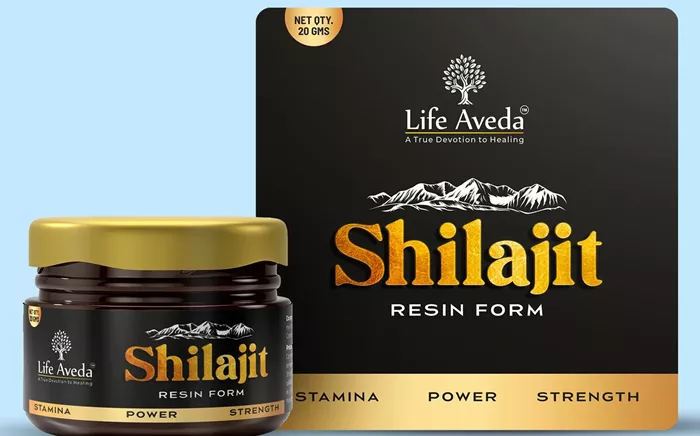
Shilajit may influence testosterone levels and male fertility, while also exhibiting anti-inflammatory, antioxidant, and adaptogenic properties. Evidence supporting these effects is mixed, with limited human research and gaps in safety data. This article reorganizes current findings for professional clarity and critical appraisal.
Shilajit contains fulvic acid and other minerals that have been proposed to affect endocrine function, bone health, and exercise performance. This review summarizes purported mechanisms, main findings from preclinical and limited clinical studies, potential therapeutic considerations, dosing caveats, and safety concerns. Evidence remains preliminary, and robust human trials are needed to establish efficacy and safety profiles.
Endocrine Effects and Fertility
Shilajit may elevate dehydroepiandrosterone (DHEAS) and total testosterone levels, potentially influencing male fertility. Current data primarily derive from small trials and observational work. Definitive conclusions require larger, randomized, placebo-controlled studies with standardized endpoints and rigorous safety monitoring.
Anti-Inflammatory and Antioxidant Actions
Shilajit exhibits anti-inflammatory and antioxidant activities. In preclinical models and traditional practices, these properties are hypothesized to support longevity and anti-aging effects. Mechanistic pathways may include modulation of oxidative stress and enhancement of collagen synthesis, though clinical translation remains uncertain.
Stress Modulation
As an adaptogen, shilajit is proposed to aid physiological adaptation to stress. The majority of supporting data come from animal studies; human data are sparse. Translation to clinically meaningful outcomes requires human trials with standardized stress metrics and viable biomarkers.
Infectious Disease and Immunomodulation
Fulvic acid, a constituent of shilajit, has been investigated for antiviral properties and anti-inflammatory effects. These properties may contribute to immune support in certain contexts, but evidence is not robust enough to establish clinical recommendations for infectious disease management.
Bone Health
Some data suggest improved bone density in populations with osteopenia, potentially via enhanced cell turnover. The relevance to postmenopausal osteoporosis is not established and requires controlled studies examining bone mineral density, turnover markers, and fracture outcomes.
Neurological Implications
Fulvic acid in shilajit may modulate inflammatory processes in the brain and influence tau protein dynamics, with speculative implications for neurodegenerative conditions such as Alzheimer’s disease. Human evidence is limited and not sufficient to support clinical use for neuroprotection or disease modification.
Exercise Performance
Preliminary data from athletic populations indicate reduced post-exercise fatigue and improved aspects of strength and recovery with shilajit supplementation. Methodological limitations and small sample sizes necessitate cautious interpretation and confirmatory trials.
Oncologic Considerations
In vitro data hint that fulvic acid may suppress certain cancer cell growth and promote apoptosis in some cancer cell lines. Translational relevance to humans is not established; clinical evidence for cancer prevention or therapy is lacking.
Clinical Use and Dosing
Shilajit is available as powders and capsules in various retail settings. The FDA does not regulate shilajit, and no standardized safe or effective dose exists. Reported clinical study doses have ranged from 300 to 500 milligrams daily in some trials. Clinicians should rely on manufacturer labeling and individual patient considerations when discussing use.
Safety, Interactions, and Quality Assurance
Overall tolerability appears favorable in limited reports, but comprehensive safety data are sparse. Potential drug interactions have not been clearly established; undetected interactions may exist. Choose products that are purified and third-party tested (e.g., NSF International, USP, or ConsumerLab seals) to minimize contamination risks. Avoid raw or unprocessed shilajit.
Risk-Benefit and Counseling
Given the current evidence limitations, clinicians should discuss uncertainties, possible benefits, and unknown long-term safety with patients considering shilajit supplementation. Individual risk factors, comorbidities, and concurrent medications must guide shared decision-making.
Concluding Remarks
Shilajit presents a constellation of proposed effects on testosterone, bone health, inflammation, and exercise performance. However, high-quality human data are lacking, and safety profiles are not fully characterized. Until robust trials are available, shilajit should not be recommended as a routine therapeutic intervention for endocrine or musculoskeletal conditions.
Related topics
Testosterone Supplements May Not Replace Sleep and Diet, Study Suggests
PSA Test-Guided Therapy: PSA Test Combines Cut Death Risk
OHIP Should Cover PSA Test Costs to Improve Prostate Cancer Detection
