
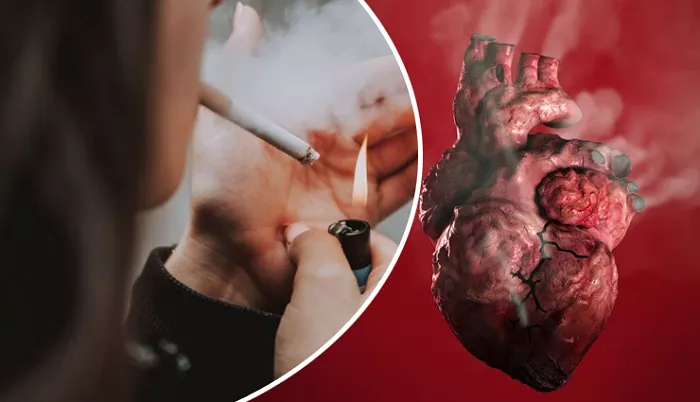
Italian researchers report that both traditional cigarettes and newer heated tobacco products (HTPs) can damage the gut lining, leading to inflammation and oxidative stress that increase cardiovascular risk in both users and children exposed to secondhand smoke.
A recent study published in the journal Antioxidants challenges the claim that Heated Tobacco Products (HTPs) are a safer alternative to traditional cigarettes. The research indicates that both active use and passive exposure to smoke or aerosol from these products can lead to a condition known as endotoxemia, which is linked to blood vessel damage.
The “Safer Alternative” Claim Under Scrutiny
Tobacco use remains a leading global cause of preventable disease. While traditional cigarettes are known to release a wide range of toxic compounds, HTPs are marketed as a less harmful option because they heat, rather than burn, tobacco at lower temperatures. However, this new study suggests that HTPs can cause harm through a similar biological pathway as conventional smoking.
The Gut-Health Connection to Smoking Harms
The research focuses on a key mechanism of harm: damage to the intestinal barrier, often called “leaky gut.” Both active smoking and exposure to tobacco smoke appear to weaken this barrier, allowing a bacterial toxin called Lipopolysaccharide (LPS) to enter the bloodstream—a condition known as endotoxemia.
Once in the blood, LPS triggers inflammation and oxidative stress, a process that damages blood vessels and increases the risk of cardiovascular disease. This study investigated whether HTPs cause similar damage.
Study Compares Children and Adult Users
The Italian research team conducted a cross-sectional study involving two groups:
Children (Ages 2-18):78 participants, including some exposed to secondhand smoke from HTPs, some from traditional cigarettes, and a control group with no exposure.
Adults:60 participants, including active HTP users, traditional cigarette smokers, and non-smokers.
The researchers measured markers of gut permeability, LPS levels in the blood, and indicators of oxidative stress and blood vessel health in all participants.
Key Findings: Similar Harm from Both Products
The results showed clear and concerning patterns:
In Children:Both groups exposed to secondhand smoke (from HTPs or cigarettes) had significantly higher levels of LPS and gut permeability markers compared to the unexposed group. There was no significant difference in harm between the two tobacco sources.
In Adults:Both HTP users and traditional smokers showed elevated LPS levels and signs of blood vessel dysfunction compared to non-smokers. Again, the harm caused by HTPs was not significantly different from that of traditional cigarettes.
The study concluded that the presence of LPS was strongly correlated with increased oxidative stress and reduced vascular function in both groups.
Public Health Implications
These findings directly challenge the marketing of HTPs as a significantly safer alternative. The study suggests that by damaging the gut lining, both traditional and “heated” tobacco products initiate a similar harmful chain of events that can lead to heart disease.
The authors emphasize the urgent need for strong public health policies and interventions to protect both smokers and those exposed to secondhand aerosol or smoke, particularly vulnerable groups like children. They call for further research to confirm these findings and better understand the long-term health effects of HTPs.
Related topics:
