
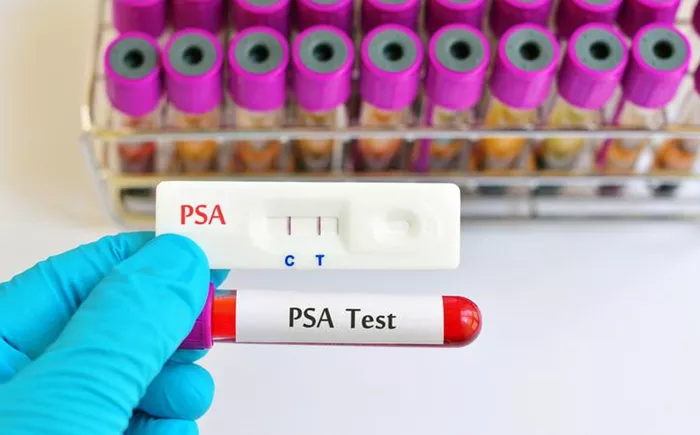
More than three million men in the United States are living with prostate cancer. Caring for a loved one with this disease can be emotionally and physically demanding. Caregivers often provide emotional support, manage medical appointments, and take on additional household responsibilities.
Expert Insight on Prostate Cancer Screening
We spoke with Dr. Daniel George, Medical Oncologist and Professor at Duke University School of Medicine, about access to healthcare in both rural and urban areas. He said, “All men are at risk for prostate cancer, but some groups face higher risk: men with a family history, men who are Black or of African ancestry, and men with a midlife PSA that’s elevated. We recommend a PSA screening between ages 45 and 50. If the PSA is above 1.6, it’s a factor we use to stratify risk.”
Preventive Healthcare Saves Lives
Dr. George emphasizes the importance of preventive care. “The best healthcare is preventive healthcare. Screening catches problems early before they become serious. Some men fear finding cancer because they worry about losing control. Today, we use active surveillance for non-aggressive prostate cancer. This allows us to monitor carefully while avoiding unnecessary treatment.”
The Role of Caregivers
Dr. George also highlighted caregivers’ importance. “Taking care of yourself is one of the best ways to help others. If you are healthy and proactive, you can better support loved ones. Early detection through screening helps prevent long-term illness and keeps families strong.”
Building Trust and Equity in Healthcare
“Around 27% of the U.S. population is Black or African American. Healthcare providers must connect with all communities. Trust is essential. Resources like navigators can guide patients through the system. We aim to build trust so that if someone gets cancer, they feel supported and informed,” Dr. George said.
Related topics
