Artificial intelligence (AI) is accelerating cervical cancer screening through the Genius Digital Diagnostics System from Hologic. MUSC Health is among the first academic health systems in the United States to implement FDA-approved AI-powered technology to examine all Pap smears analyzed at its Charleston laboratory. This system aims to make reading Pap smears faster, more accurate, and less labor-intensive for cytologists and pathologists alike.
Digital Assistive Technology in Cytology
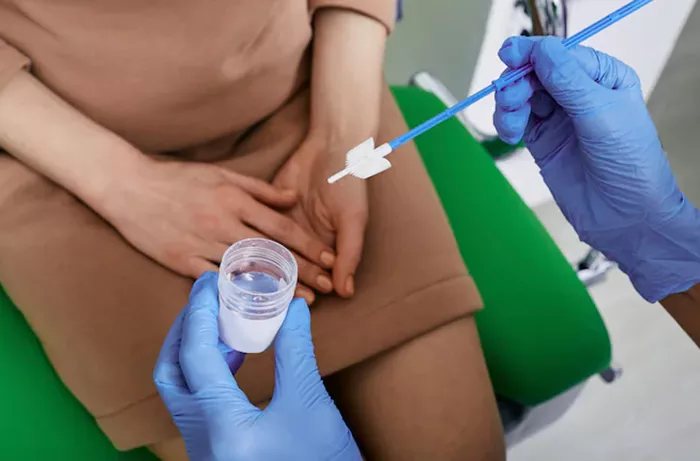
The screening process begins with a clinician collecting a Pap test, which is then sent to the cytology laboratory for examination. A certified cytologist traditionally reviews thousands of cells per slide to identify abnormalities, a time-intensive task limited by federal staffing constraints. The Genius system digitizes slides, applies AI to detect representative cells, and displays them in 36 panels on a monitor, highlighting cells most likely to be precancerous or cancerous. This allows cytologists to concentrate on a focused subset of cells rather than every cell on the slide.
Workflow and Clinical Impact
As described by MUSC pathologists, the technology does not replace clinicians but enhances their workflow. The system improves sensitivity and efficiency by bringing suspicious cells to the forefront, enabling faster results for patients. Pathologists still make the final diagnostic call using their expertise, but with substantially reduced routine review time.
Efficiency Gains and Collaboration
Early outcomes show cytologists can review up to 200 slides in the same timeframe previously used for 100 slides, effectively doubling productivity. Faster turnaround supports timely referrals to gynecologic oncologists at MUSC Hollings Cancer Center, which can be crucial for cancer management. The digital platform also enables remote access and real-time collaboration, as securely stored images can be shared across facilities for second opinions without shipping physical slides.
Centralized Expertise and Access
The augmented system enables centralized expertise; a specialist in one location can consult with colleagues across the system instantly. As adoption grows, the technology may extend high-quality screening to patients in rural or underserved areas who historically faced barriers to advanced cytopathology services.
Training, Trust, and Future Potential
FDA requirements mandate formal training before using the technology. MUSC provides comprehensive retraining for all users, recognizing that even experienced cytologists must adapt to the new workflow. While initial concerns about missing abnormalities exist, confidence is increasing as more staff engage with the system. The technology is not a replacement for expert diagnosis but a means to raise baseline accuracy and consistency, especially for less-experienced personnel.
Future Directions in AI Cytopathology
Although Pap smears are leading the adoption curve, AI has the potential to transform other medical domains, including radiology and pathology. As AI-driven cytopathology evolves, the benefits for patient care—faster, more accurate diagnoses and expanded access—are expected to grow.
Related topics
Debunking 8 Claims About Breast Cancer Screening