
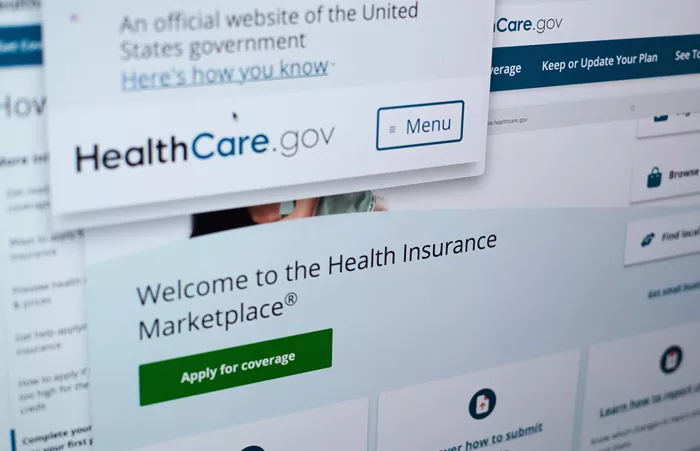
The forthcoming enrollment period for individual health plans arrives amid rising costs, shifting government policy, and strained consumer assistance. Shoppers in most states have until January 15 to select coverage for 2026, with the Dec 15 deadline necessary for coverage starting January 1. Premiums are anticipated to rise around 20 percent on average next year, and some plans could see more than double the cost if enhanced tax credits are allowed to lapse. A reduced supply of enrollment navigators compounds the challenge, as federal funding cuts have constrained access to expert help.
Enrollment windows and financial assistance
The primary annual opportunity for individuals to secure or switch coverage for the upcoming year occurs during the open enrollment period. In 2025, over 24 million people were enrolled in individual plans, a figure tracked by the Kaiser Family Foundation.
Tax credits play a critical role. Enhanced credits introduced during the COVID-19 pandemic helped many buyers; these credits are set to expire unless Congress acts to extend them. Purchases made through marketplaces in every state can qualify for income-based tax credits, which may reduce net premiums.
Plans outside marketplaces can still be purchased, but they generally do not qualify for tax credits. Shoppers who are sensitive to price should consider both marketplace and non-marketplace options, while weighing eligibility for any available subsidies.
Cost pressures and their drivers
Premiums are projected to rise by roughly 20 percent on average next year. In scenarios where enhanced tax credits expire, some individuals could face premium increases that exceed 100 percent relative to 2025 costs.
The price trend reflects higher underlying care costs and insurers’ pricing models that assumed the extended credits would continue. If healthier enrollees with relatively low costs drop out, insurers may adjust rates upward to cover risk and utilization.
Provider availability and shopping support
Federal funding cuts have markedly reduced the number of navigators available to assist consumers. As Government-subsidized navigator programs were reduced by approximately 90 percent, many states will have fewer in-person and virtual resources to help first-time buyers or those with fluctuating incomes.
When navigators are scarce, licensed health insurance brokers or agents can help, though compensation typically comes from insurer commissions or fees. Independent guidance can be especially valuable for those navigating complex income scenarios.
Practical steps for shoppers
Start with the state marketplace to understand available options and potential subsidies. Do not rely solely on general search results, which may surface less comprehensive or short-term plans.
Submit the enrollment application for tax credit help first. The outcome determines current eligibility and can reflect updated credits if Congress enacts extensions.
After determining potential subsidies, compare plans by more than price. Consider deductibles, network breadth (which doctors and hospitals are included), and how medications are covered.
If the extra tax credits are resolved after enrollment, shoppers can revisit their plan selection during the open enrollment window.
Where to begin
Check your state marketplace for personalized options and subsidies. Begin at the official marketplace portal to avoid discounted or short-term plans that may lack consumer protections.
For many households, initiating the tax credit application is an efficient first step, as it informs current support availability and updates automatically if policy changes occur.
Advice from industry experts
“Shopping is essential but can feel overwhelming,” says Sara Collins of the Commonwealth Fund. “Start with the marketplace and the first tax credit application to anchor your choices.”
Brokers emphasize that there is a potential “mulligan” opportunity if a plan is chosen late in the enrollment period, but timing is critical to ensure coverage by the start of the new year.
Conclusion
With higher premiums, fewer navigators, and ongoing debates over tax credits, California residents and others nationwide should actively engage in the enrollment process now. Beginning with the marketplace application to determine subsidy eligibility and then evaluating plan features combines prudent financial planning with robust coverage considerations before the December deadline.
Related topics:
