
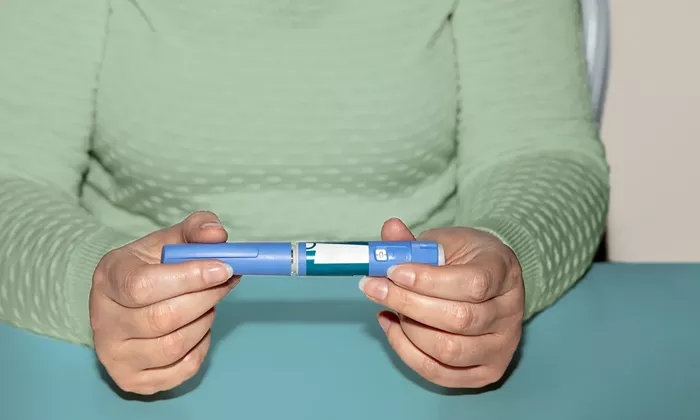
A recent multicenter study from Italy, published in The Lancet Regional Health – Europe, examines how often type 2 diabetes (T2D) goes into remission after starting glucagon-like peptide-1 receptor agonists (GLP-1RAs) and what clinical factors might predict remission. The researchers analyzed the clinical characteristics, frequency, and outcomes of remission using several definitions to capture the spectrum of what physicians consider remission in real-world practice.
Background and Rationale
T2D remains a major global health burden due to its associated macrovascular and microvascular complications. The condition’s prevalence has risen steadily, prompting interest in remission as a feasible therapeutic goal, particularly when substantial weight loss occurs. GLP-1RAs are known to reduce blood glucose, support weight loss, and lower cardiovascular and renal risk. The possibility of achieving T2D remission with GLP-1RAs has drawn attention, especially with newer dual incretin agents. Yet evidence on how often remission occurs and which patient characteristics predict remission has been limited.
Study Design and Data Sources
The GLP-1RA for Simplification in Diabetes (GLIMPLES) study is a retrospective, multicenter analysis using electronic health records of people with T2D who began GLP-1RA therapy between January 2010 and January 2022. The index date was the first GLP-1RA prescription. Remission was assessed after the index date using four definitions to reflect varying degrees of treatment intensity and pharmacotherapy status.
Definitions of Diabetes Remission
R1: HbA1c <6.5% for at least 3 months without glucose-lowering medications.
R2: HbA1c <6.5% for at least 3 months with ongoing GLP-1RA therapy allowed.
R3: HbA1c <6.5% for at least 3 months without any new glucose-lowering medications compared to baseline.
R4: HbA1c <6.5% for at least 3 months, regardless of pharmacotherapy status.
Analytical Approach
Participants were classified as in remission or not under each definition. The primary objective was to determine remission frequency. Secondary objectives included identifying clinical predictors of remission and comparing intermediate outcomes and complications between remission and non-remission groups. Statistical methods included chi-squared tests and t-tests for baseline comparisons, logistic regression to explore associations between GLP-1RA type and remission, and Cox proportional hazards models for time-to-event outcomes.
Participant Profile and GLP-1RA Distribution
The study included 14,141 adults with T2D who initiated GLP-1RA therapy. The average participant was about 60 years old, with a 10-year history of diabetes, a body mass index (BMI) around 32 kg/m², and a baseline HbA1c of 8.1%. Common prior therapies included metformin, insulin, and sulfonylureas. The GLP-1RAs used were dulaglutide (50.5%), liraglutide (24.9%), semaglutide (12.1%), exenatide (11%), and lixisenatide (1.4%). Nearly one-quarter of participants switched GLP-1RAs during follow-up.
Frequency and Duration of Remission
Follow-up averaged four years. Remission rates varied by definition: 5.8% for R1, 6.2% for R2, 12.2% for R3, and 18.3% for R4. Mean time to remission was about six months across definitions. Durability differed by definition, with remission lasting longer under R3 (9.3 months) and R4 (10.1 months) than under R1 (6.5 months) and R2 (6.6 months).
Weight Loss and Drug Associations
Average weight loss differed by GLP-1RA: semaglutide (3.9 kg), exenatide (3.3 kg), dulaglutide (3.1 kg), liraglutide (3.0 kg), and lixisenatide (2.8 kg). No single GLP-1RA consistently outperformed others in achieving remission, though dulaglutide showed favorable associations with R1–R3 and semaglutide showed a negative association with R1–R2. The authors caution that such differences may reflect treatment switching and varying availability over time rather than intrinsic superiority.
Predictors of Remission
Remission was more likely in patients with shorter diabetes duration, higher BMI, fewer complications, and lower baseline use of insulin or SGLT2 inhibitors. Those achieving remission also exhibited modest improvements in several clinical measures: weight decreased by about 2 kg, HbA1c fell by roughly 0.9–1.0 percentage points, systolic and diastolic blood pressure declined by 1–2 mmHg, and triglycerides decreased by about 15 mg/dL.
Kidney and Cardiovascular Outcomes
Changes in estimated glomerular filtration rate (eGFR) were similar across definitions. Notably, progression of urinary albumin-to-creatinine ratio (UACR) was slower under R3. The incidence of new microangiopathy was 12–16% lower in R1–R3 groups, suggesting a potential metabolic memory effect. Remission under R3 was associated with fewer cardiovascular events (hazard ratio 0.65) but was not linked to differences in macroangiopathy.
Implications and Interpretation
Remission occurred in a meaningful portion of GLP-1RA users, but the magnitude depended on the definition applied. R1 yielded the lowest remission rate (5.8%), while the permissive R4 definition reached 18.3%. Among definitions, R3 offered a balanced view with a moderate remission rate (12.2%), longer durability (9.3 months), and improvements in microvascular and cardiovascular outcomes.
Limitations
Limitations include the retrospective design, absence of mortality data, lack of adjudicated events, potential attrition bias, and the possibility that treatment discontinuation occurred outside the study protocol. These factors may influence observed remission rates and associated outcomes.
Clinical Takeaways
GLP-1RAs can be associated with remission of T2D under multiple definitional criteria, with higher remission rates under more permissive definitions.
Shorter diabetes duration, higher BMI, fewer complications, and lower baseline use of certain therapies may predict remission with GLP-1RAs.
Remission is linked to favorable microvascular and cardiovascular outcomes, though its durability varies by definition.
Related topics
