
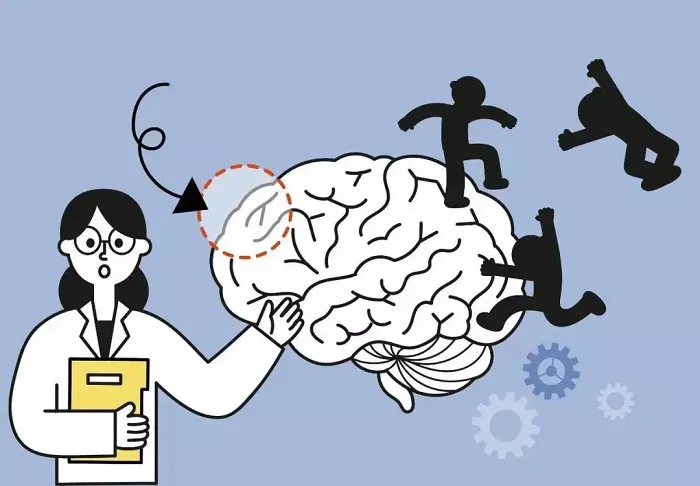
Adolescent ADHD represents a developmental continuation of childhood attention-deficit/hyperactivity disorder with unique challenges emerging during teenage years as executive function demands increase and parental supervision decreases.
The transition to adolescence introduces new complexities including hormonal changes, increased academic demands, social pressures, and emerging independence requirements that often exacerbate ADHD symptoms while creating new functional impairments. Effective management requires tailored approaches addressing both core symptoms and associated difficulties through multimodal interventions that support developing autonomy while maintaining necessary structure.
Examining Academic Challenges and Educational Support Systems
Adolescents with ADHD frequently experience significant academic difficulties stemming from persistent inattention, working memory deficits, and executive function impairments that become more problematic with increasing academic expectations.
Common manifestations include forgotten assignments, lost materials, careless errors, incomplete work, and poor time management that lead to declining grades despite adequate intellectual capability, creating frustration and diminished self-esteem.
Classroom accommodations prove essential including preferential seating near instruction points, extended time for assignments and tests, organizational support systems (planners, digital reminders), and breaking complex tasks into manageable steps.
Teachers can implement structured routines, clear expectations, frequent feedback, and alternative assessment methods that accommodate variable performance while maintaining academic standards, with regular communication between school and home ensuring consistency across environments.
Addressing Driving Safety and Risk Management Concerns
Driving presents particular hazards for adolescents with ADHD who demonstrate two-to-fourfold increased accident risk compared to neurotypical peers due to core symptom interference with safe operation. Impulsivity (risky maneuvers), distractibility (inattention to road conditions), and poor risk assessment contribute to dangerous driving scenarios that require specific intervention strategies.
Medication adherence significantly reduces accident rates by improving attention and impulse control, suggesting pharmacological intervention’s protective effect when consistently maintained during driving hours.
Comprehensive driver education programs should address specific ADHD-related challenges including distraction management (phone policies), impulse control strategies, and pre-driving routines, with graduated licensing systems providing extended practice under supervision before full independence.
Managing Social Relationships and Peer Interactions
Social functioning challenges often persist into adolescence with difficulties reading social cues, maintaining conversations, regulating emotions during conflicts, and adapting to changing peer norms that affect relationship formation and maintenance.
Structured social skills training can improve interpersonal effectiveness through explicit instruction in conversation skills (initiating, maintaining, ending), emotion recognition (facial expressions, tone), and conflict resolution strategies that reduce misinterpretations and social rejection.
Peer-mediated interventions and interest-based groups (clubs, teams) provide naturalistic practice opportunities with shared activities reducing social pressure while building connections based on common interests rather than social demands.
Parental support should focus on coaching rather than directing social interactions, helping adolescents analyze social situations, consider alternatives, and develop problem-solving skills while allowing natural consequences within safe boundaries.
Implementing Evidence-Based Treatment Approaches
Combined medication and behavioral interventions remain the gold standard for adolescent ADHD management, addressing both neurological underpinnings and functional impairments through complementary mechanisms that enhance overall effectiveness.
Stimulant medications including methylphenidate and amphetamine formulations effectively reduce core symptoms when properly dosed and timed to cover academic, social, and extracurricular demands, with monitoring for side effects including appetite suppression and sleep disturbances.
Non-stimulant options like atomoxetine (24-hour coverage) and guanfacine (emotional regulation benefits) benefit adolescents with comorbid conditions (anxiety, tics) or stimulant intolerance, offering alternative mechanisms with different side effect profiles.
Behavioral therapies target organizational skills (planning systems), time management (scheduling tools), and problem-solving abilities through practical strategies applied to real-life situations, with family involvement ensuring consistent implementation across home and school environments.
Developing Effective Home Management Strategies
Consistent home structures support adolescent functioning through predictable routines (morning/evening sequences), clear expectations (chore charts, responsibility lists), and organized environments that reduce cognitive load and decision fatigue.
Visual schedules, organization systems (labeled storage, homework stations), and reminder technologies (smartphone apps, smart home devices) help compensate for executive function deficits by externalizing memory and planning demands.
Positive behavior support systems utilizing rewards (privileges, incentives) and natural consequences prove more effective than punitive approaches, focusing on skill-building rather than punishment for symptoms beyond immediate control.
Sleep hygiene practices including consistent bedtimes, electronic device limitations (blue light reduction), and relaxing pre-sleep routines address common circadian rhythm disruptions that exacerbate ADHD symptoms and emotional dysregulation.
Planning for Transition to Adult Independence
Successful transition planning begins in mid-adolescence, addressing medication management, self-advocacy skills, and independent living abilities through gradual responsibility transfer with appropriate support.
Healthcare transition involves gradually shifting responsibility from parents to adolescents regarding appointment scheduling, prescription management, and symptom reporting, with pediatric-to-adult provider transfer protocols ensuring continuity.
Academic accommodations transition to workplace accommodations requiring self-disclosure decisions, advocacy skills, and understanding of legal rights under ADA, with vocational counseling helping match strengths to suitable careers.
Financial management (budgeting, banking) and household maintenance skills (cooking, cleaning) require direct instruction and supervised practice, with gradual independence in managing allowance, part-time earnings, and personal expenses building competence.
Establishing Appropriate Boundaries and Support Levels
Parental support should evolve toward coaching rather than directing as adolescents mature, providing guidance while allowing natural consequences within safe parameters that promote learning from experience.
Clear boundaries regarding financial support (spending limits), housing expectations (chore responsibilities), and emergency assistance prevent dependency while maintaining safety nets for serious situations requiring intervention.
Regular check-ins balance independence with necessary oversight without micromanaging, using agreed-upon touchpoints (weekly meetings) to discuss challenges, adjust strategies, and provide support while respecting growing autonomy.
Emerging adults benefit from knowing support remains available while developing self-reliance, with open communication channels and crisis plans providing security that enables appropriate risk-taking and problem-solving.
Accessing Professional Support Services
Specialized services address unique adolescent needs including ADHD coaches for organizational skills development, therapists for emotional regulation training, and vocational counselors for career planning and workplace strategy development.
College disability services provide academic accommodations (extended time, note-taking support) while requiring self-advocacy and documentation management, with transition planning beginning during high school preparation phases.
Workplace accommodations require appropriate documentation and disclosure decisions, with vocational rehabilitation services providing job coaching and environmental modifications that support success in employment settings.
Mental health professionals address common comorbidities including anxiety, depression, and substance use that often emerge during adolescence, providing evidence-based treatments that integrate with ADHD management for comprehensive care.
Related topics:
