
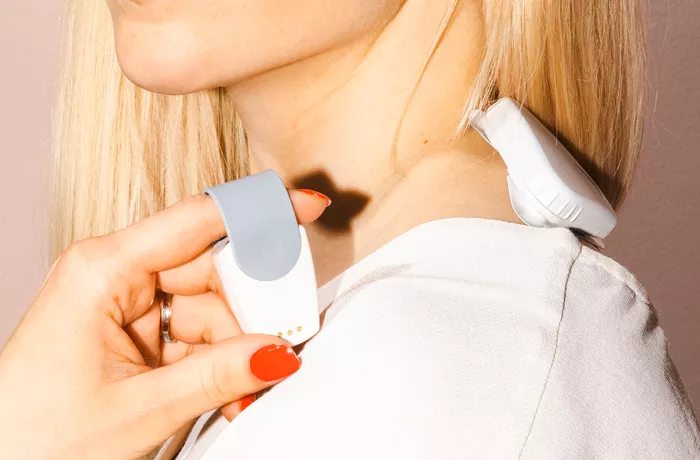
A new study from Mass General Brigham in Massachusetts suggests that a wearable biofeedback patch can help people in early recovery from substance use disorders (SUD) manage stress, reduce cravings, and lower relapse risk in real time. The phase 2 clinical trial enrolled 115 adults with severe SUD who were within their first year of abstinence and followed them for eight weeks.
Participants were randomized to two arms: one used the Lief HRVB Smart Patch, a heart-rate variability (HRV) biofeedback device, while the other followed their standard recovery plan, including meetings, psychotherapy, or pharmacotherapy as indicated.
Background and Rationale
Cravings and stress are well-recognized triggers for relapse in early recovery. Prior research has shown that stress and poor emotional awareness can precipitate cravings, while low HRV is associated with reduced emotional regulation and cognitive control. HRV biofeedback devices address this by detecting drops in HRV and delivering guided breathing prompts to help users restore autonomic balance. By pairing physiological signals with real-time support, these devices aim to interrupt the craving–relapse cycle.
Study Design and Methods
Participants: 115 adults with severe SUD in their first year of recovery.
Randomization: 1:1 to biofeedback patch plus standard recovery plan vs. standard recovery plan alone.
Intervention: The Lief HRVB Smart Patch continuously monitors HRV and delivers visual or auditory prompts when stress or craving signals rise. The prompts are paired with brief breathing exercises designed to raise HRV.
Training and Use: All participants were asked to perform at least 10 minutes of scheduled HRV biofeedback per day and at least five minutes of prompted practice.
Data collection: Participants logged mood, cravings, and substance use via a smartphone app twice daily throughout the eight-week study.
Key Findings
Emotional states: Those using the biofeedback device reported fewer negative emotions over the study period.
Craving and use: The patch group reported lower cravings for alcohol and drugs compared with the control group.
Relapse risk on any given day: Participants with the biofeedback device were 64% less likely to use substances on any given day.
Practical impact: The intervention appears to interrupt the cycle linking stress, craving, and substance use, providing an additional tool alongside existing recovery strategies.
Authoritative interpretation
David Eddie, PhD, a psychologist at the Recovery Research Institute of Massachusetts General Hospital and Mass General Brigham, emphasized that modern HRV biofeedback devices can detect stress and craving states and, with AI-enabled prompts, guide users through brief, structured breathing exercises. He described the patch as enabling individuals to intervene before risk escalates, thereby potentially widening the window of opportunity during the crucial early months of recovery.
Clinical implications
Augmenting standard care: The biofeedback patch appears to complement traditional recovery approaches, offering real-time physiological feedback and coping prompts at moments of heightened risk.
Personalization and scalability: HRV-based interventions can be tailored to individual stress and craving profiles. If validated in larger trials, such devices may be scalable tools for diverse patient populations in addiction treatment.
Long-term benefits: The researchers note that the first year of recovery is exceptionally challenging. A tool that helps manage stress not only during this period but also thereafter could have lasting benefits for emotional regulation and relapse prevention.
Limitations and next steps
Sample size and duration: While the results are promising, the study involved 115 participants over eight weeks. Larger, longer-term trials are needed to confirm durability of effects and to assess any differential benefits across substances and comorbid conditions.
Integration with care: The patch was used in addition to standard care; future studies should examine optimal integration strategies, potential adherence challenges, and cost-effectiveness.
Mechanisms: Further research could explore the precise neurobiological and behavioral pathways by which HRV biofeedback influences craving and relapse risk.
Conclusion
The study provides early, encouraging evidence that wearable HRV biofeedback patches can reduce negative affect, diminish cravings, and lower daily relapse risk among individuals in the first year of recovery from SUD. If validated in larger trials, these devices could become a valuable component of comprehensive addiction treatment, helping patients manage stress and sustain abstinence over the longer term.
Related topics
