
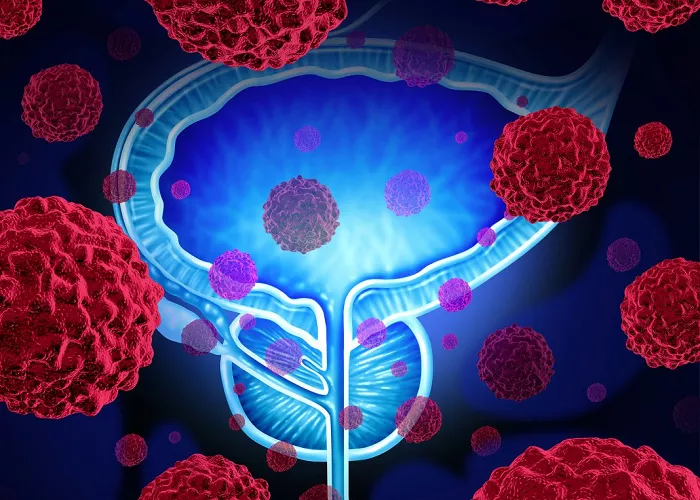
Metastatic prostate cancer represents an advanced stage of prostate malignancy where cancer cells have spread beyond the prostate gland to distant body locations through complex biological processes. This condition occurs when prostate cancer cells detach from the primary tumor, travel through the bloodstream or lymphatic system, and establish new growths in other tissues through angiogenesis and microenvironment adaptation.
While commonly spreading to bones (particularly spine, pelvis, and ribs) and lymph nodes due to favorable growth conditions, metastatic prostate cancer can also affect organs like the liver, lungs, and rarely the brain, with each location presenting distinct clinical challenges and symptom patterns that influence management approaches.
Clinical Staging and Classification Systems for Advanced Disease
Medical professionals classify metastatic prostate cancer as Stage IV disease using the TNM system, subdivided into IVA and IVB categories based on anatomical spread and pathological characteristics. Stage IVA indicates regional spread to nearby structures like seminal vesicles, bladder neck, or rectal wall without distant organ involvement, while Stage IVB confirms presence of cancer in distant organs like bones, liver, or lungs through imaging or biopsy confirmation.
This staging distinction significantly influences treatment approaches and prognostic considerations, with additional subclassification based on Gleason score, PSA levels, and genomic markers providing further refinement for personalized treatment planning and outcome prediction in clinical practice.
Symptom Presentation and Diagnostic Approaches for Detection
Metastatic prostate cancer manifests through various symptoms depending on affected organs and tumor burden, often presenting with both general constitutional symptoms and location-specific manifestations. Common presentations include persistent bone pain particularly in back, hips, or pelvis that may indicate skeletal involvement; unexplained weight loss and fatigue reflecting systemic disease impact; urinary difficulties including obstruction or hematuria; and hematological abnormalities like anemia or thrombocytopenia.
Diagnostic procedures typically involve comprehensive imaging studies including CT, MRI, PET scans (particularly PSMA-PET for improved detection), and bone scans combined with prostate-specific antigen monitoring and tissue biopsies when indicated for confirmation and molecular profiling to guide targeted therapy selection.
Treatment Strategies and Multimodal Management Approaches
Current management focuses on disease control, symptom management, and quality of life preservation rather than cure, utilizing multiple modalities in sequence or combination based on individual disease characteristics and response patterns.
Primary treatment modalities include androgen deprivation therapy (ADT) serving as cornerstone treatment through medical or surgical castration; radiation therapy for localized symptom control in painful bone metastases; chemotherapy (docetaxel, cabazitaxel) for advanced disease progression; radiopharmaceuticals (radium-223) for bone-metastatic disease; and novel hormonal agents (abiraterone, enzalutamide) and targeted therapies based on molecular profiling.
Treatment selection depends on disease burden, symptom severity, and patient factors including age, comorbidities, performance status, and personal preferences regarding treatment intensity and quality of life trade-offs.
Prognostic Considerations and Evolving Survival Statistics
The 5-year survival rate for metastatic prostate cancer approximates 32% based on historical data, though recent therapeutic advances have improved outcomes significantly with modern regimens showing substantial survival extension beyond previous benchmarks.
Significant individual variation exists based on disease characteristics including volume of metastatic disease (high vs low volume), sites of involvement (visceral vs bone-only), Gleason score, PSA levels at diagnosis, and response to initial therapy including time to castration resistance.
Early diagnosis through improved screening and comprehensive management including multimodal approaches contribute to improved outcomes, with many patients maintaining good quality of life for extended periods through modern treatment approaches that sequentially utilize available agents based on resistance patterns and disease evolution.
Supportive Care and Quality of Life Considerations
Comprehensive care extends beyond anticancer treatments to include multidimensional support addressing physical, emotional, and practical challenges of living with advanced cancer. Pain management strategies incorporate multimodal analgesia including NSAIDs, opioids, adjuvant medications, and interventional procedures like nerve blocks or radiation for refractory pain.
Nutritional support addresses cancer-related cachexia through dietary counseling and appetite stimulation, while physical rehabilitation maintains mobility and function through tailored exercise programs. Psychological counseling provides coping strategies for emotional distress, and support group participation offers peer connection and shared experience, with these elements collectively addressing the complex challenges of metastatic disease through integrated palliative and supportive care approaches alongside disease-directed treatments.
Emerging Treatments and Future Directions
Ongoing research continues to expand treatment options for metastatic prostate cancer, with several promising approaches showing potential to improve outcomes further in coming years. Immunotherapy approaches including checkpoint inhibitors and prostate cancer vaccines demonstrate activity in selected patients, particularly those with specific molecular characteristics like high tumor mutational burden or DNA repair defects.
Radiopharmaceutical development continues with new targeted agents beyond radium-223 showing promise in clinical trials, while biomarker-driven therapy selection increasingly personalizes treatment based on genomic profiling of individual tumors. Combination strategies integrating multiple modalities simultaneously or sequentially offer potential synergy, with clinical trials actively exploring optimal sequencing and novel combinations to overcome resistance mechanisms and improve survival while maintaining quality of life for patients with advanced disease.
Related topics
