
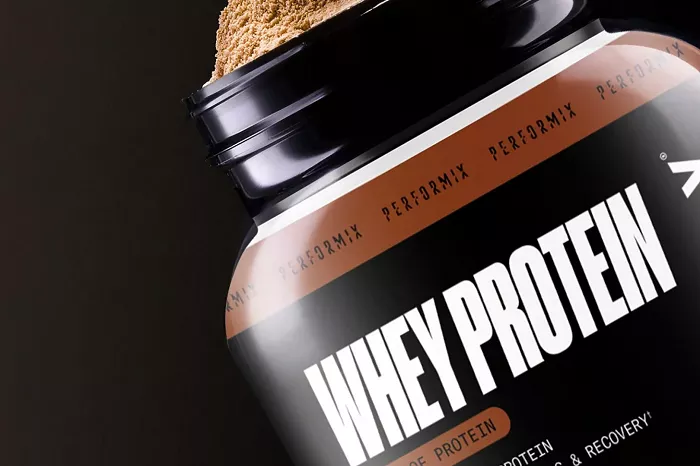
Protein supplementation serves as a valuable addition to comprehensive health and fitness regimens, particularly for individuals seeking to optimize muscle development and recovery strategies through enhanced nutritional support.
The strategic incorporation of protein powders can effectively increase dietary protein intake, supporting various fitness objectives from muscle building to providing healthy snacking alternatives that help meet increased protein requirements.
Understanding the distinct properties of different protein types enables informed selection based on individual needs, timing considerations, and specific goals, allowing for personalized nutrition strategies that complement overall dietary patterns and activity levels.
Examining Fundamental Differences Between Whey and Casein Proteins
Whey and casein proteins, both derived from milk through separation processes during cheese production, offer complementary yet distinct nutritional profiles that make them suitable for different applications and timing strategies.
Whey protein demonstrates rapid digestion and absorption characteristics, reaching peak amino acid levels within 20-30 minutes post-consumption, making it ideal for immediate post-exercise recovery when muscles are most receptive to nutrient uptake.
Casein conversely provides slow-release protein delivery through clot formation in the stomach, with amino acid levels peaking after 3-4 hours, offering sustained nutrient release that may be particularly beneficial during extended periods without food intake such as overnight fasting or between meals.
Evaluating Whey Protein Advantages and Specific Applications
Whey protein’s rapid absorption kinetics make it exceptionally suitable for post-workout nutrition when muscles demonstrate heightened sensitivity to nutrient uptake and increased protein synthesis rates following exercise-induced stress.
The quick delivery of essential amino acids supports accelerated muscle protein synthesis, facilitating recovery and adaptation processes that help repair exercise-induced damage and promote muscular adaptations to training stimuli.
Additionally, whey’s high leucine content (approximately 10-12% of total amino acids) particularly enhances anabolic signaling pathways through mTOR activation, contributing to its effectiveness in promoting muscle growth and repair in combination with resistance training.
Assessing Casein Protein Benefits and Optimal Usage Scenarios
Casein protein forms gel-like structures in the stomach through acid precipitation, resulting in gradual digestion and prolonged amino acid release over several hours that provides a steady supply of building blocks for protein synthesis.
This sustained nutrient delivery pattern makes casein particularly valuable for situations requiring extended protein availability, such as nighttime consumption before sleep or during prolonged periods between meals when catabolic processes might otherwise dominate.
Casein’s slow release properties may enhance satiety and reduce protein breakdown through consistent amino acid availability, supporting muscle preservation during potentially catabolic periods and helping maintain positive nitrogen balance throughout the day.
Considering Practical Application and Timing Strategies for Maximum Benefit
Strategic protein timing maximizes physiological benefits by aligning protein intake with the body’s fluctuating anabolic windows and metabolic states throughout the day and in relation to exercise. Whey proves ideal for immediate post-exercise windows (typically within 30-60 minutes after training) when rapid nutrient delivery optimizes recovery processes and takes advantage of increased muscle sensitivity to amino acid availability.
Casein proves more effective for sustained amino acid release during extended periods without food consumption, such as before bedtime to support overnight recovery or during prolonged fasting intervals that might otherwise lead to muscle breakdown.
Some individuals benefit from combining both proteins, utilizing whey’s rapid absorption post-exercise while employing casein’s sustained release during overnight recovery periods to create complementary effects that address different physiological needs throughout the day.
Addressing Additional Selection Considerations Beyond Absorption Rates
Beyond absorption rates, several practical factors influence protein selection including cost, mixability, taste, and individual tolerance that affect long-term adherence and satisfaction with supplementation. Casein typically costs more per gram than whey while offering slightly less protein content by weight due to different processing methods and raw material requirements, though prices vary by brand and quality.
Whey generally demonstrates superior mixing characteristics and taste profiles due to its soluble nature, though modern processing techniques including micellar casein production have improved casein’s mixability and texture in shakes and recipes.
Individual tolerance preferences regarding gastrointestinal comfort, taste preferences, and specific fitness goals should ultimately guide selection rather than universal recommendations, as consistency and adherence prove more important than minor differences in absorption kinetics for most individuals.
Implementing Comprehensive Nutrition Strategies with Protein Supplementation
While protein supplementation provides convenience and targeted benefits for meeting increased protein requirements, whole food sources should form the foundation of nutritional intake to ensure adequate intake of other essential nutrients, fiber, and phytochemicals that support overall health.
Total daily protein consumption remains more significant than specific protein type or timing for most fitness goals, with general recommendations suggesting 1.6-2.2 grams per kilogram of body weight for active individuals pursuing muscle growth, though individual needs vary based on training intensity, body composition, and recovery demands.
Exercise consistency, overall dietary patterns, and recovery practices including sleep and stress management ultimately contribute more significantly to fitness outcomes than specific protein powder selection, making supplementation one component of a comprehensive approach to health and performance rather than a standalone solution.
Related topics
